
A Guide to Innovative Footwear Design: From Concept to Creation
In the ever-evolving world of fashion, footwear design stands out as an area rich with innovation and creativity. The journey from a simple sketch to a finished product on the shelves is a fascinating process that combines art, technology, and craftsmanship.
Understanding the Concept
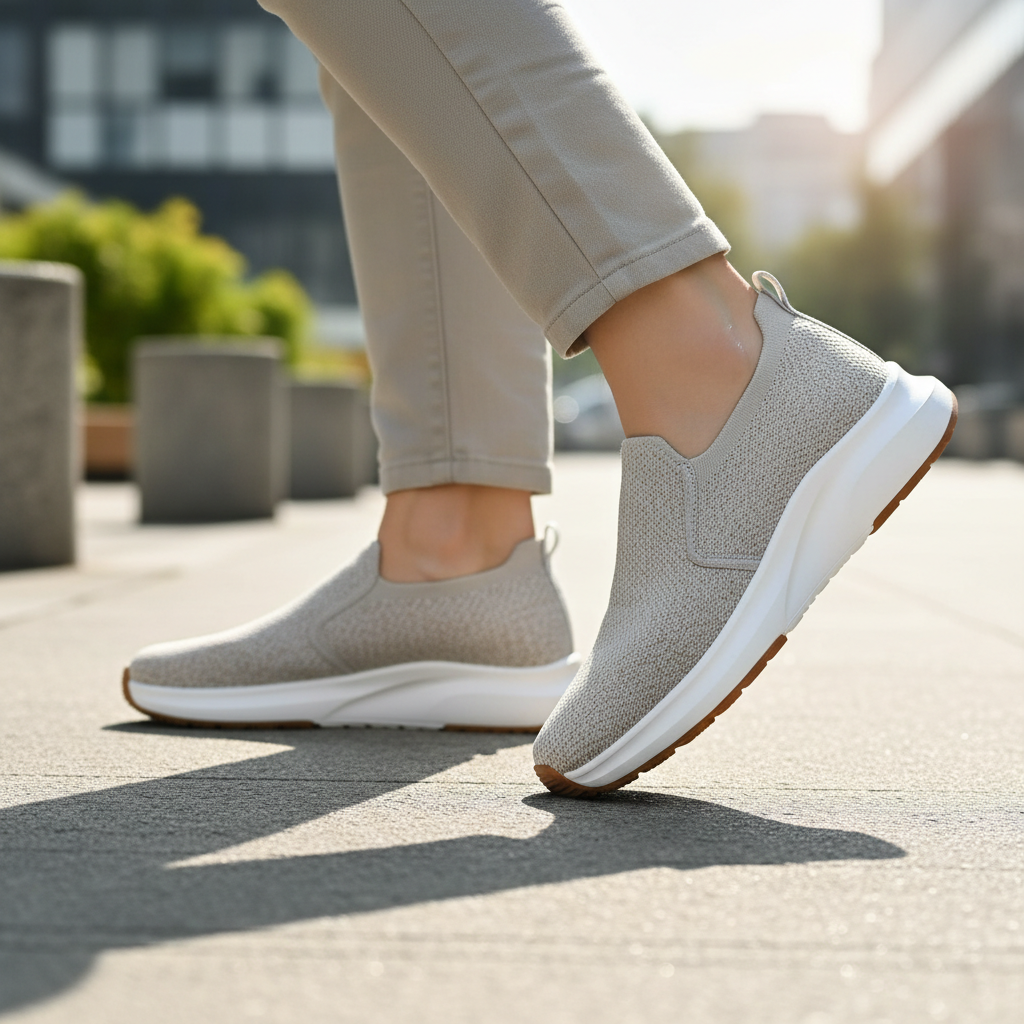
Every great shoe design begins with a concept. Designers often draw inspiration from a variety of sources, including art, nature, and technology. The initial stage involves brainstorming and sketching ideas, focusing on both aesthetics and functionality. This is where creativity knows no bounds, and all possibilities are explored.
During this phase, it's essential to consider the target audience. Understanding the needs and preferences of the end-users can significantly influence the design direction. Are you aiming for high-performance sports shoes or elegant evening wear? Each choice will shape the path forward.
Material Selection
Choosing the right materials is crucial in footwear design. The materials not only affect the look and feel of the shoe but also its durability and performance. Designers often experiment with a mix of traditional materials like leather and innovative ones such as recycled plastics or sustainable textiles.

Exploring sustainable options has become increasingly important in today's eco-conscious market. Many designers are now prioritizing environmentally friendly materials, aligning their creations with global sustainability goals.
Balancing Aesthetics and Functionality
While eye-catching designs are important, functionality cannot be overlooked. A shoe must offer comfort, support, and practicality, especially if it’s intended for athletic use. This involves incorporating ergonomic designs, supportive structures, and cushioning technologies.
The Role of Technology
Technology plays a pivotal role in modern footwear design. From 3D modeling software that allows for precise designs to advanced manufacturing techniques like 3D printing, technology is revolutionizing the way shoes are created. These tools enable designers to experiment with complex shapes and intricate patterns that were previously impossible.
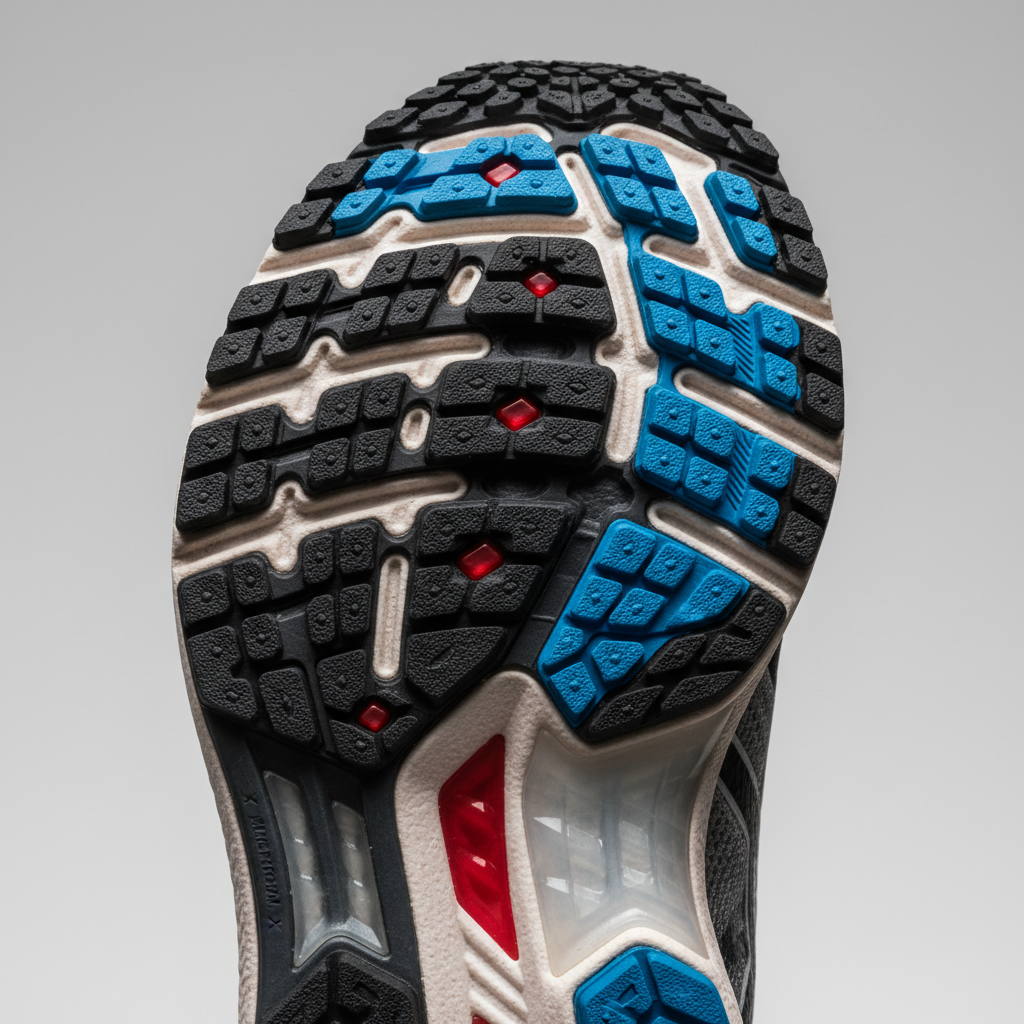
Furthermore, wearable technology is making its way into footwear, with innovations like smart insoles that track fitness metrics or shoes that adapt to different environments. This blend of fashion and technology opens up exciting new possibilities.
Prototyping and Testing
Before a design goes into production, prototyping is essential. This stage involves creating a model of the shoe to test its design, fit, and function. Prototypes allow designers to identify potential issues and make necessary adjustments.
Testing is equally important, especially for performance footwear. Rigorous trials ensure the shoe meets quality standards and performs well under various conditions. Feedback from testers can lead to further refinements, ensuring the final product is both innovative and reliable.
From Production to Market
Once the design is finalized and tested, it moves into production. This phase involves coordinating with manufacturers to ensure the design's integrity is maintained throughout the manufacturing process. Attention to detail is crucial to replicate the designer’s vision accurately.
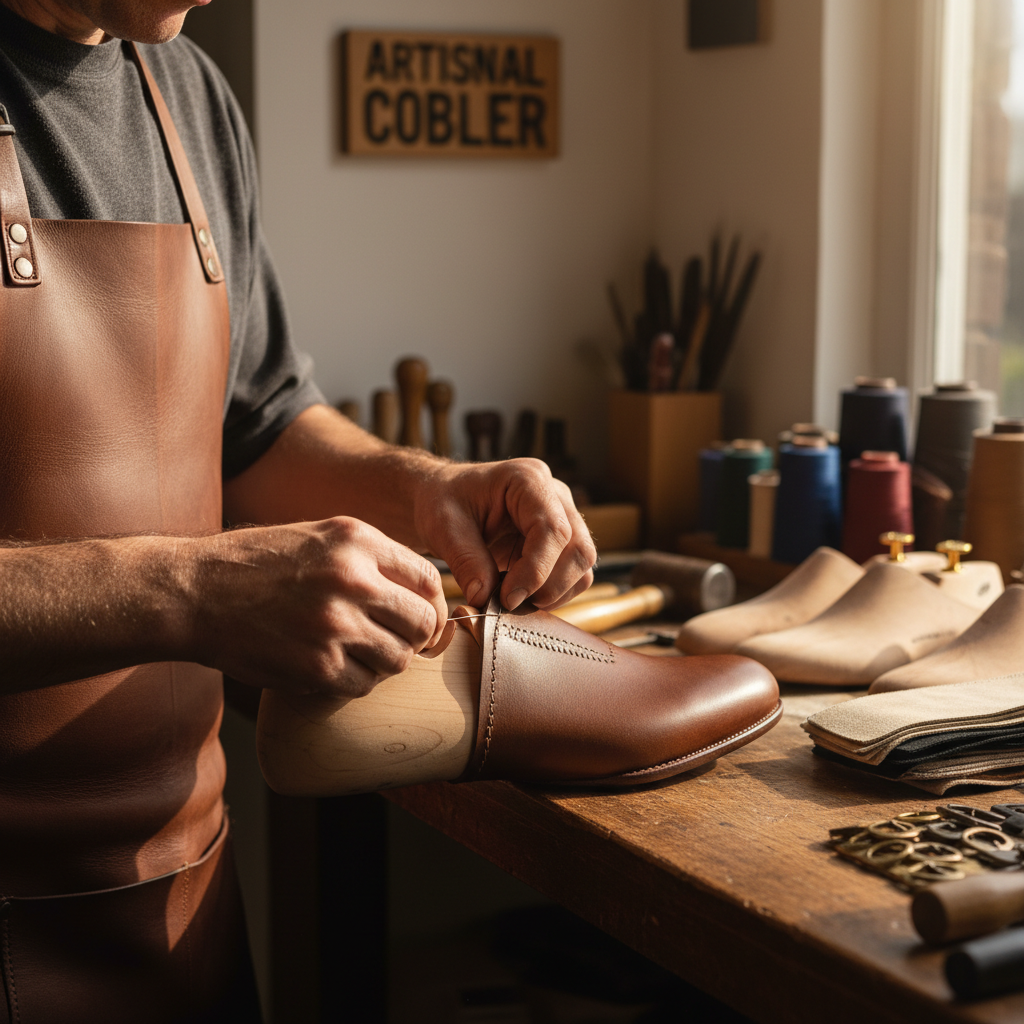
Finally, a successful marketing strategy ensures the product reaches its intended audience. Collaborating with influencers, utilizing social media, and creating compelling campaigns are all part of bringing the innovative footwear to market.
Footwear design is a dynamic and exciting field. By embracing creativity, technology, and sustainability, designers can create groundbreaking products that not only look good but perform exceptionally well. The journey from concept to creation is a testament to the endless possibilities that innovation brings to the world of footwear.