
Case Study: Transforming Urban Mobility with Innovative Design
Introduction to Urban Mobility Challenges
Urban mobility is a growing concern in cities worldwide. Increasing populations and environmental awareness demand innovative solutions to transform how we navigate urban environments. This case study explores how innovative design is revolutionizing urban transit systems, making them more efficient, sustainable, and user-friendly.
Traditional urban transport systems often struggle with congestion, pollution, and inefficiency. However, new design approaches are addressing these issues by integrating technology and user-centric planning. This transformation is crucial for fostering sustainable urban growth.
Innovative Design Principles
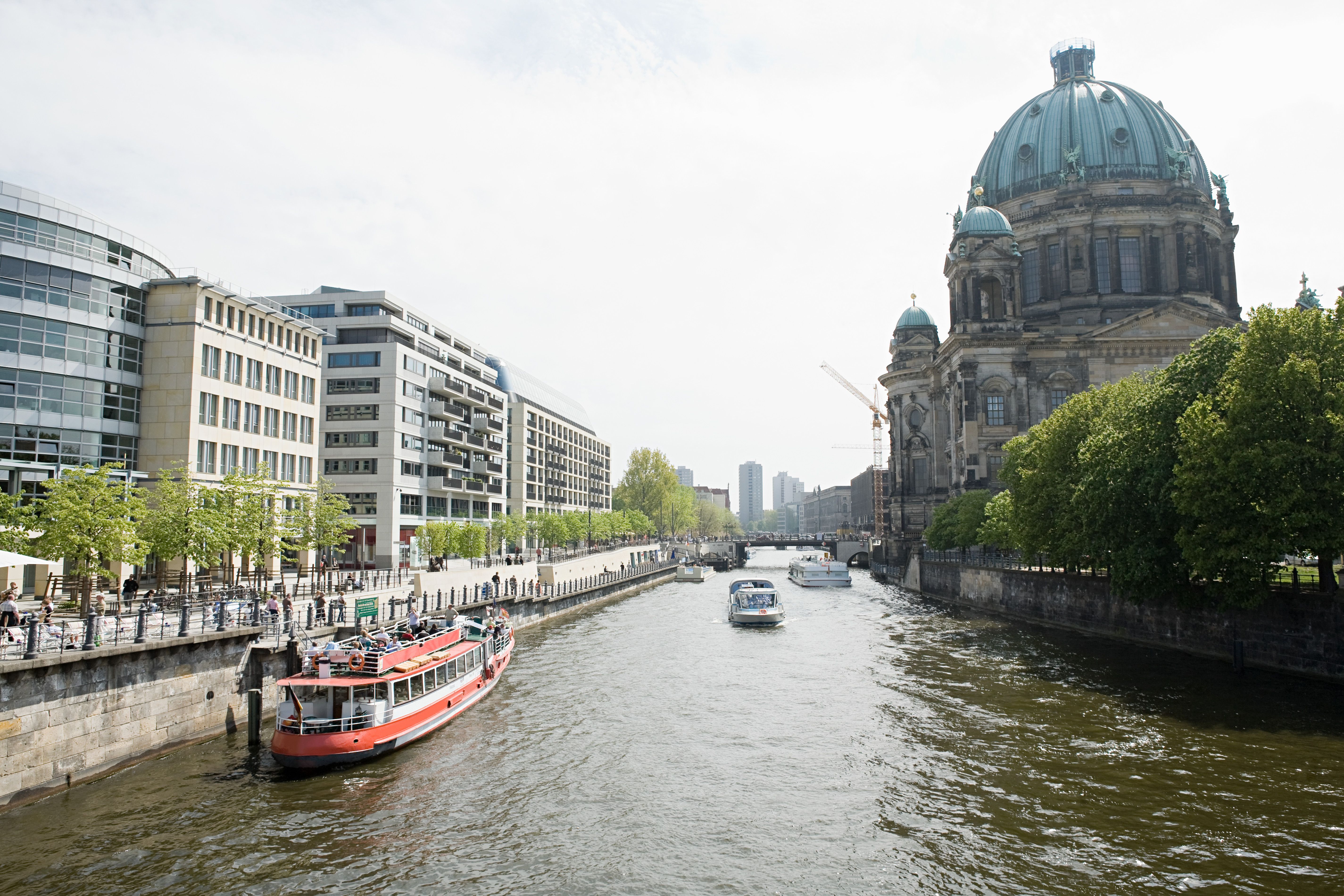
At the core of transforming urban mobility is innovative design. Key principles include user-oriented solutions, sustainability, and technological integration. These principles guide the development of transportation systems that are not only efficient but also environmentally friendly and accessible.
Designers are focusing on creating seamless travel experiences. This involves minimizing wait times, improving connectivity, and enhancing the overall user experience. By prioritizing these aspects, cities can encourage more people to use public transportation, reducing the reliance on personal vehicles.
Case Study: The Role of Electric Buses
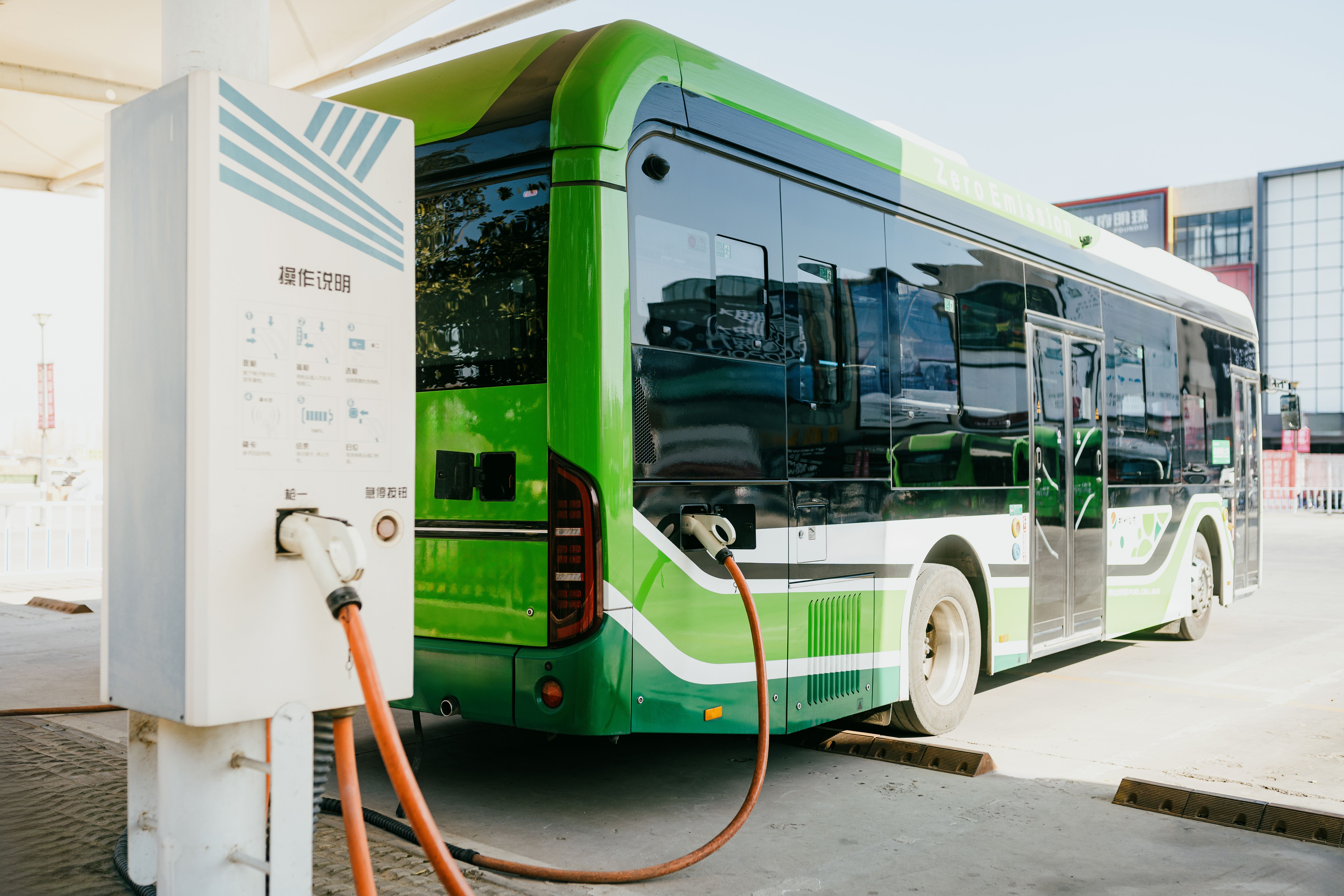
One notable example of innovation is the adoption of electric buses. These vehicles offer a sustainable alternative to traditional diesel-powered buses, significantly reducing carbon emissions. Cities implementing electric buses have reported a decrease in air pollution and operational costs.
Smart Mobility Solutions
Smart mobility solutions leverage technology to optimize transportation systems. This includes using data analytics, IoT devices, and mobile applications to improve service delivery. For instance, real-time tracking and predictive analytics can help manage traffic flow and reduce congestion.
Another aspect is the development of mobile apps that provide users with real-time information on public transport schedules and availability. These apps empower users to make informed decisions about their travel, enhancing convenience and reliability.
Impact on Urban Communities
The transformation of urban mobility through innovative design positively impacts urban communities. By improving accessibility, cities can enhance equality and inclusivity. Efficient transport systems also stimulate economic growth by connecting people to jobs and services more effectively.

Looking to the Future
The future of urban mobility lies in continued innovation and collaboration between governments, designers, and technology providers. As cities grow, the need for sustainable and efficient transport solutions becomes increasingly critical. Embracing these changes will be essential to overcoming future challenges.
In conclusion, transforming urban mobility with innovative design is not just about improving transportation—it's about creating better urban environments. By prioritizing sustainability, user-centric design, and technological integration, cities can build a future where mobility is seamless, efficient, and inclusive.