
Debunking Myths About Transportation Design: Insights from Industry Leaders
Understanding Transportation Design
Transportation design is a complex field that combines engineering, aesthetics, and functionality. Despite its critical role in daily life, several myths persist about this industry. By addressing these misconceptions, we can gain a deeper understanding of the innovative work being done by industry leaders.
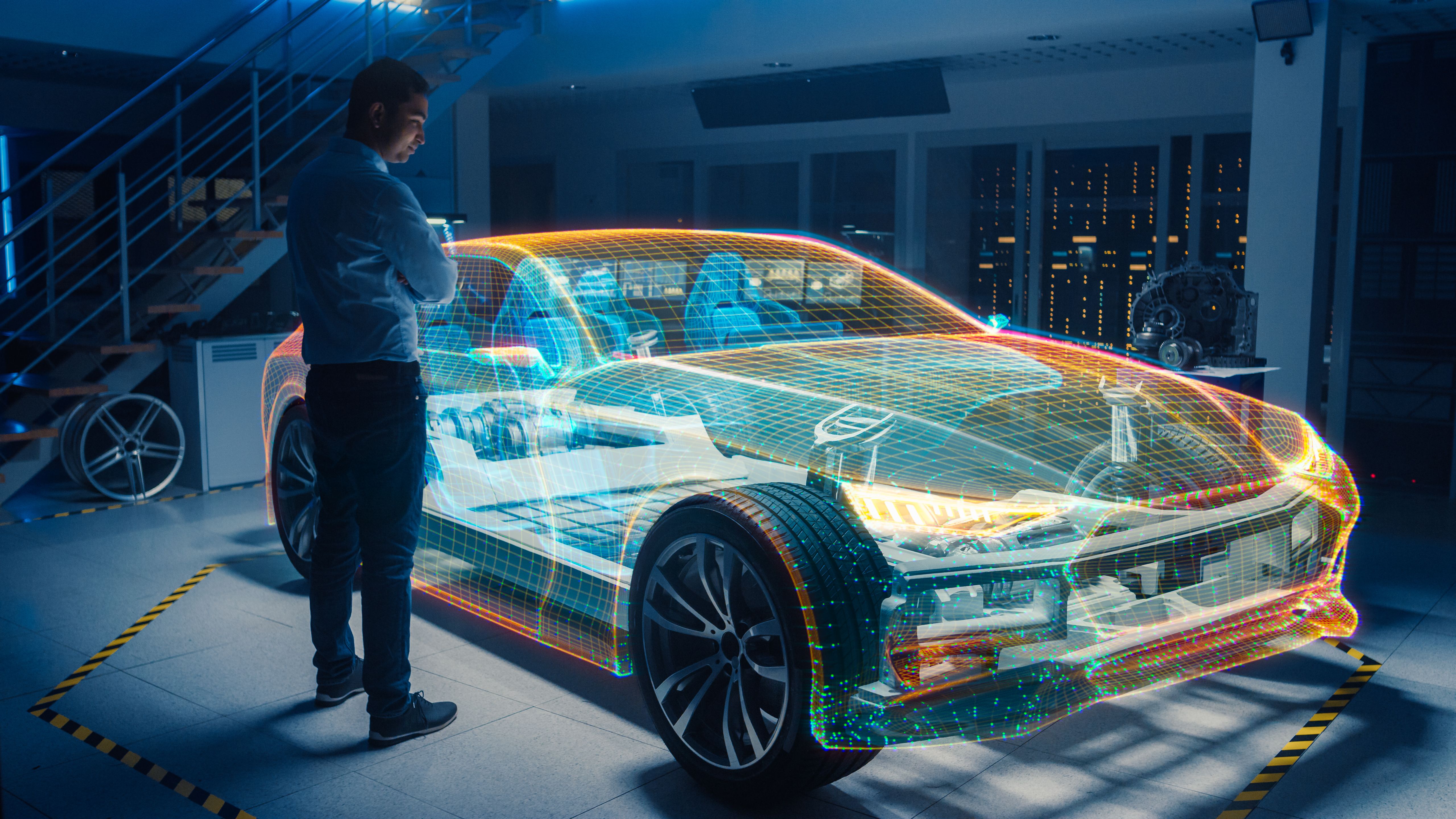
Myth 1: Transportation Design Is Only About Vehicles
Many people assume that transportation design is solely focused on vehicles like cars, buses, and trains. However, this field encompasses much more. Designers also work on infrastructure, such as roads, bridges, and public transit systems, ensuring they are safe, efficient, and accessible.
Industry experts emphasize that the design process includes urban planning, environmental considerations, and user experience. This holistic approach ensures that transportation systems meet the needs of diverse populations.
Myth 2: Aesthetic Appeal Isn’t Important
Some believe that functionality is the only concern in transportation design. While functionality is crucial, aesthetics play a significant role as well. A well-designed vehicle or infrastructure can enhance user satisfaction and public acceptance.
Designers strive to create visually appealing solutions that also meet technical and regulatory requirements. This balance is key to successful transportation projects.
Myth 3: Technology Plays a Minor Role
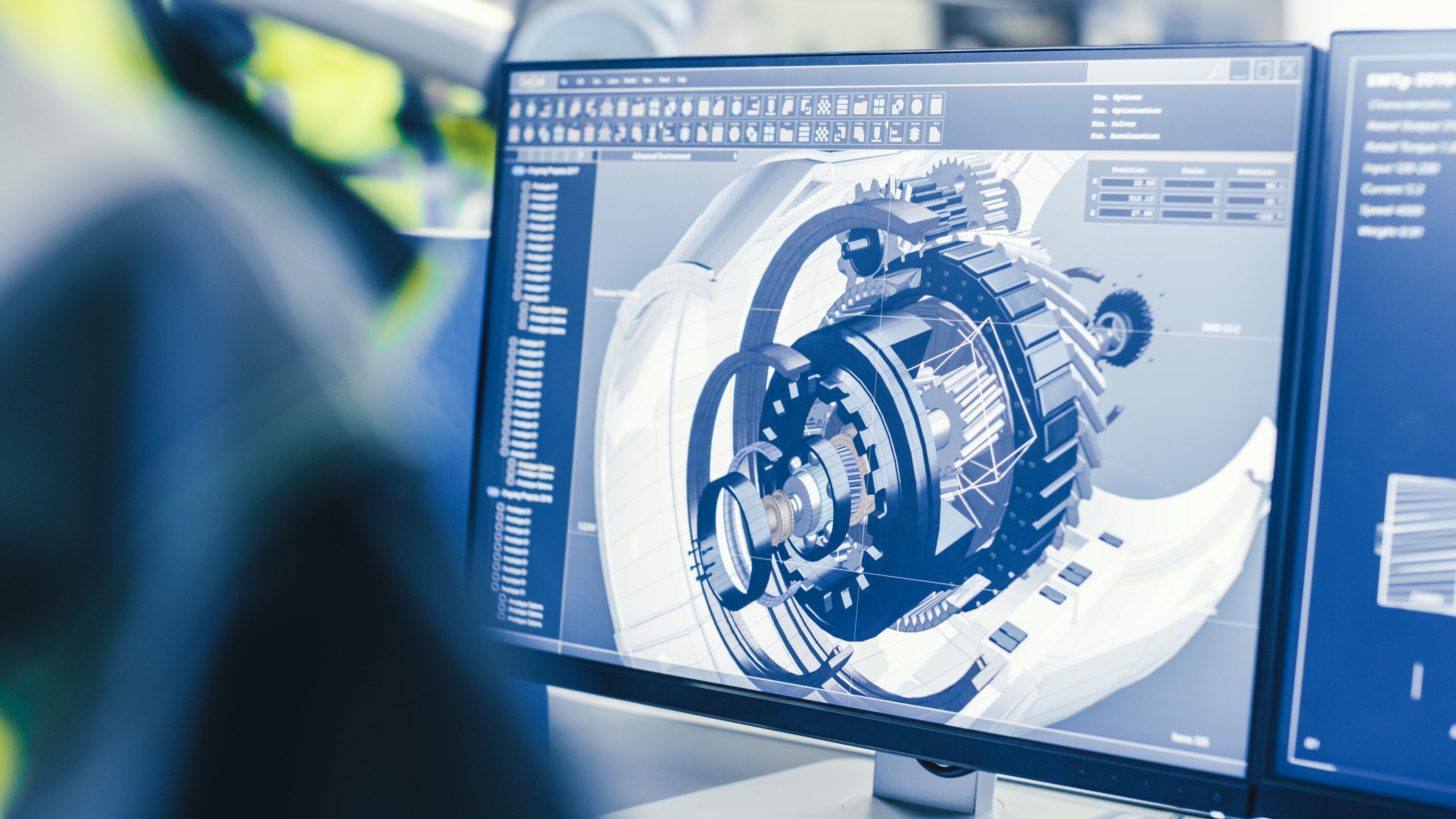
Technology is often underestimated in the context of transportation design. In reality, technological advancements are transforming the industry. From autonomous vehicles to smart infrastructure, technology is revolutionizing how we move.
Industry leaders are integrating cutting-edge technologies to improve safety, efficiency, and sustainability. This forward-thinking approach is crucial for developing future-ready transportation systems.
Myth 4: Design Is a One-Time Process
Another common myth is that design is a one-time process completed before construction. In truth, transportation design is iterative. Designers must continuously adapt to changing needs, technologies, and regulatory environments.

Ongoing collaboration with stakeholders, including governments, engineers, and the public, ensures that transportation systems remain relevant and effective over time.
Conclusion: Embracing Innovation
Debunking these myths highlights the importance of innovation and collaboration in transportation design. By understanding the true scope of this field, we can appreciate the expertise and creativity that industry leaders bring to the table.
As we look to the future, embracing these insights will be essential in developing transportation systems that are not only functional but also sustainable and user-friendly.