
Exploring Modern Industrial Design: Innovations in Transportation
Introduction to Modern Industrial Design
The world of industrial design has experienced a remarkable evolution, particularly in the realm of transportation. As technology continues to advance, designers are finding new ways to innovate and enhance the way we move from one place to another. From electric vehicles to high-speed trains, modern industrial design is reshaping our transportation landscape.
Today, we explore the latest innovations that are driving this transformation, examining how they are making transportation more efficient, sustainable, and accessible for everyone.
Electric Vehicles: A Green Revolution
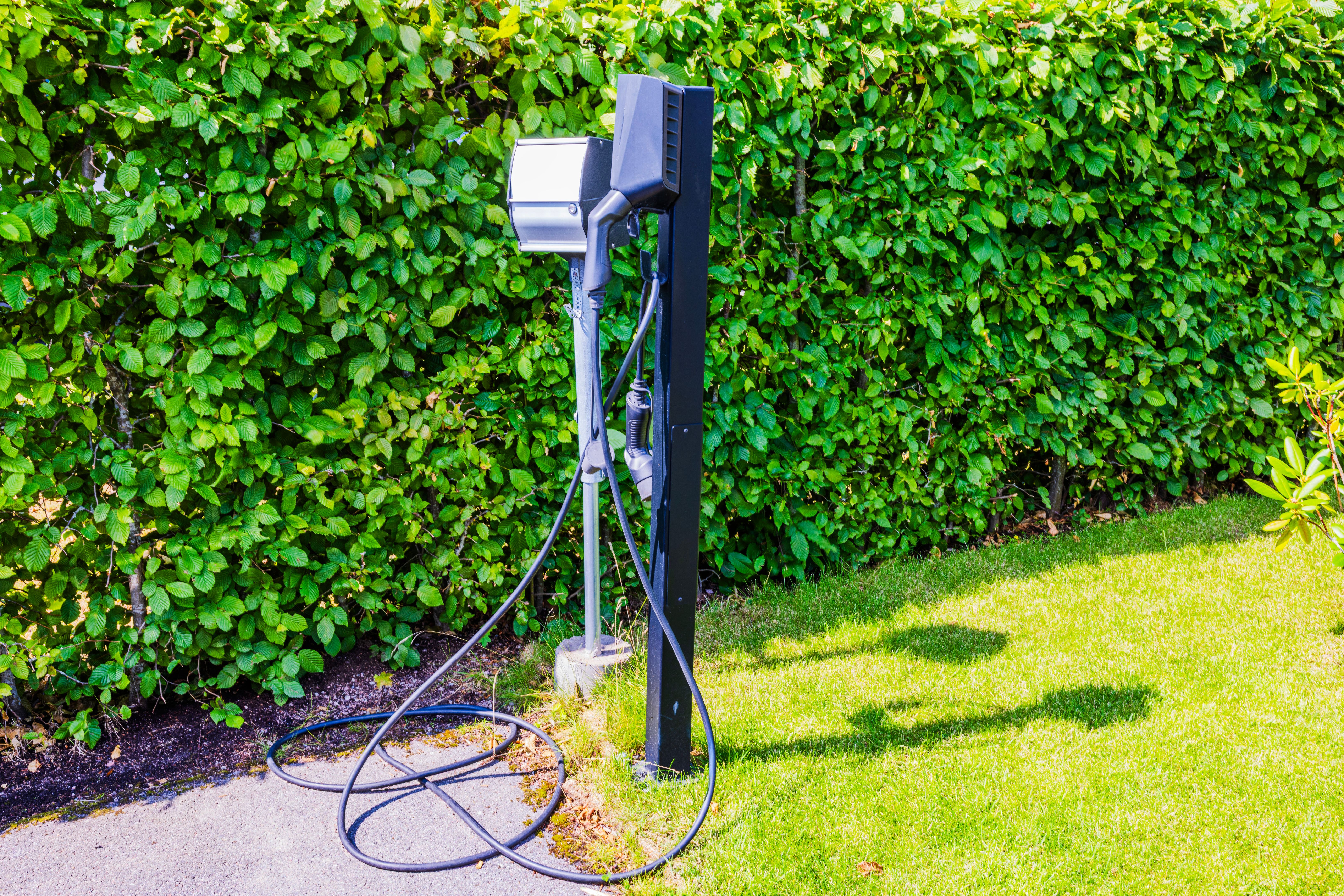
One of the most significant shifts in transportation design is the widespread adoption of electric vehicles (EVs). These vehicles are not only environmentally friendly but also represent a leap forward in design and technology. With sleek lines and futuristic aesthetics, EVs are designed to appeal to the modern consumer's sense of style and responsibility.
Manufacturers are investing heavily in research and development to improve battery life, charging infrastructure, and overall vehicle performance. This commitment to innovation is helping to reduce the carbon footprint of transportation and promote a cleaner future.
Key Features of Modern EVs
- Advanced battery technology for extended range
- Fast-charging capabilities
- Integrated smart technology for enhanced driving experience
High-Speed Trains: Connecting the World
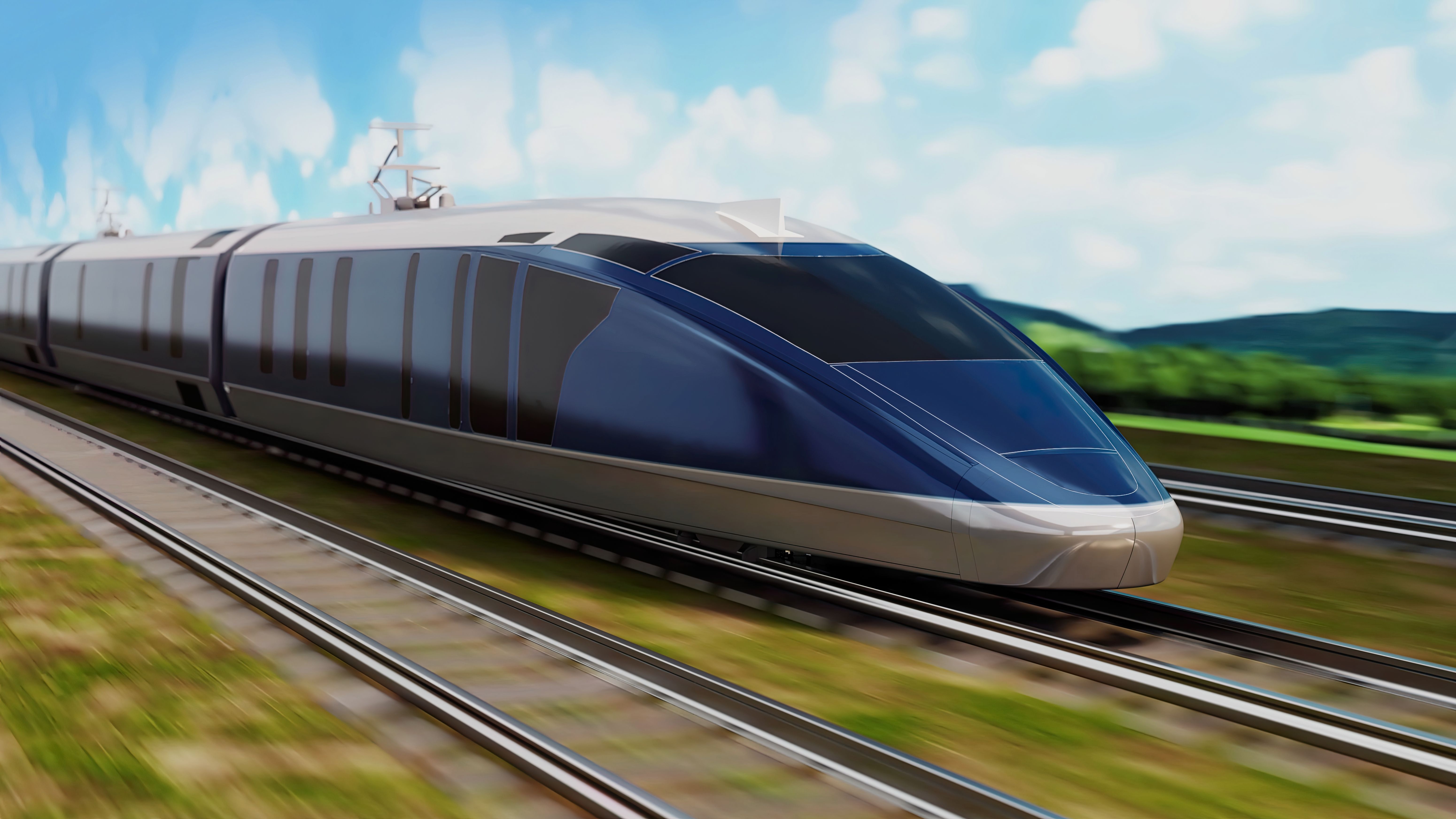
High-speed trains are another marvel of modern industrial design, offering rapid transit options that connect cities and regions like never before. These trains are engineered for speed and efficiency, with aerodynamic designs that minimize resistance and maximize energy use.
Countries around the world are investing in high-speed rail networks, recognizing their potential to reduce travel time, ease congestion, and promote sustainable travel. As these networks expand, they promise to transform how people perceive and experience long-distance travel.
Benefits of High-Speed Rail
- Reduced travel time between major cities
- Lower environmental impact compared to air travel
- Increased accessibility and connectivity
Urban Mobility: Rethinking City Transport
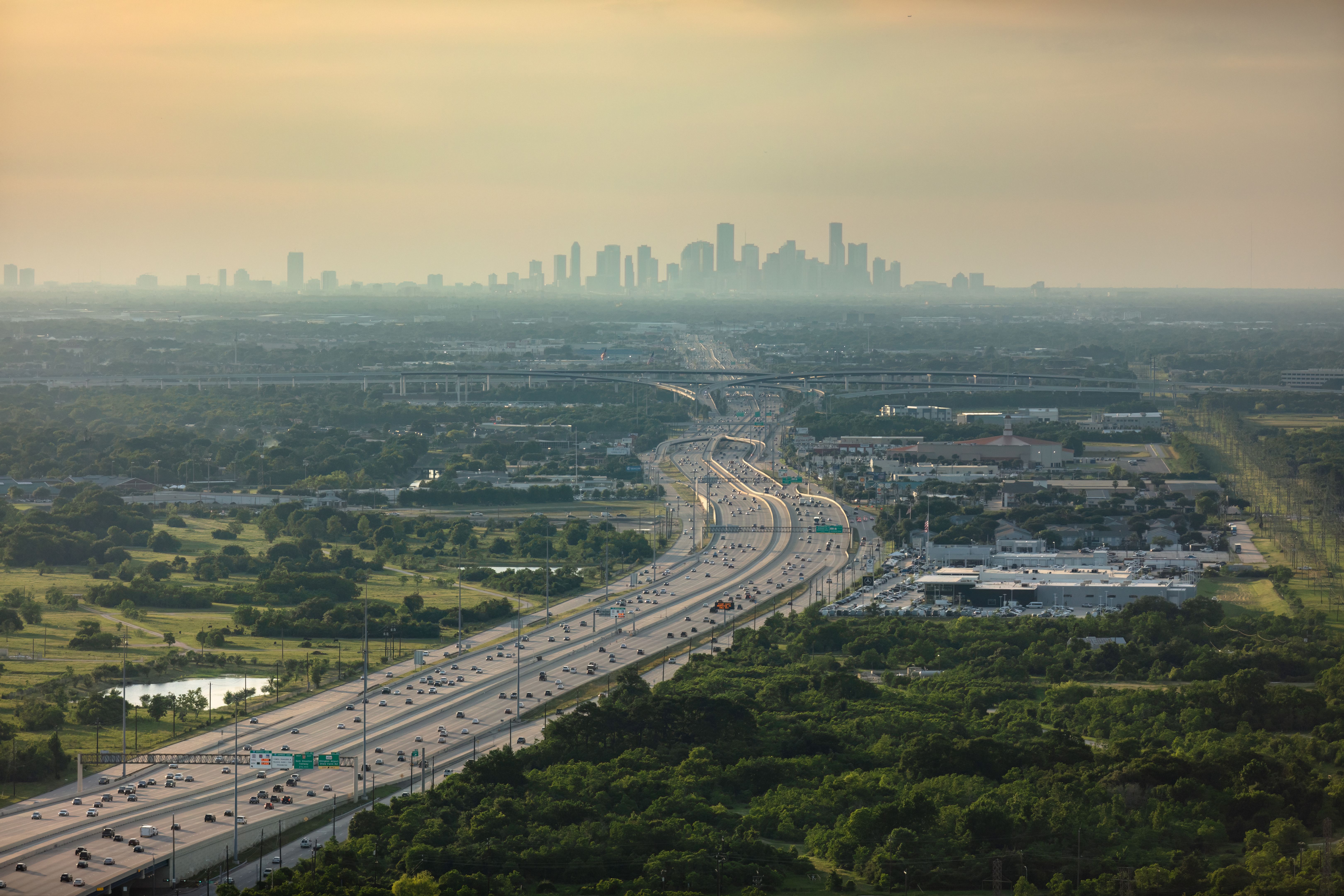
In urban areas, the focus of modern industrial design is on creating efficient, user-friendly transportation solutions that address the unique challenges of city life. From shared bicycles and scooters to autonomous shuttles, the landscape of urban mobility is rapidly changing.
Designers are prioritizing compact, flexible options that can navigate crowded streets and provide convenient alternatives to traditional car travel. This shift is helping to reduce traffic congestion and improve the quality of life for city dwellers.
Innovations in Urban Mobility
- Electric scooters and bicycles for short-distance travel
- Ride-sharing platforms with eco-friendly vehicles
- Autonomous public transport solutions
Conclusion: The Future of Transportation Design
As we look to the future, the potential for further innovation in transportation design is limitless. Designers and engineers will continue to push boundaries, exploring new materials, technologies, and concepts that will redefine how we move through the world.
These innovations are not only making transportation more efficient and sustainable but are also paving the way for a more interconnected and accessible global community.