
Exploring the Intersection of Footwear Design and Sustainability
Understanding the Importance of Sustainable Footwear
In recent years, the fashion industry has experienced a significant shift towards sustainability, and footwear design is no exception. The intersection of footwear design and sustainability is not just a trend but a necessary evolution. As consumers become more environmentally conscious, the demand for eco-friendly footwear options has increased dramatically.
The environmental impact of traditional footwear production is considerable, with issues ranging from material waste to carbon emissions. By focusing on sustainability, designers can help mitigate these effects and contribute to a healthier planet.
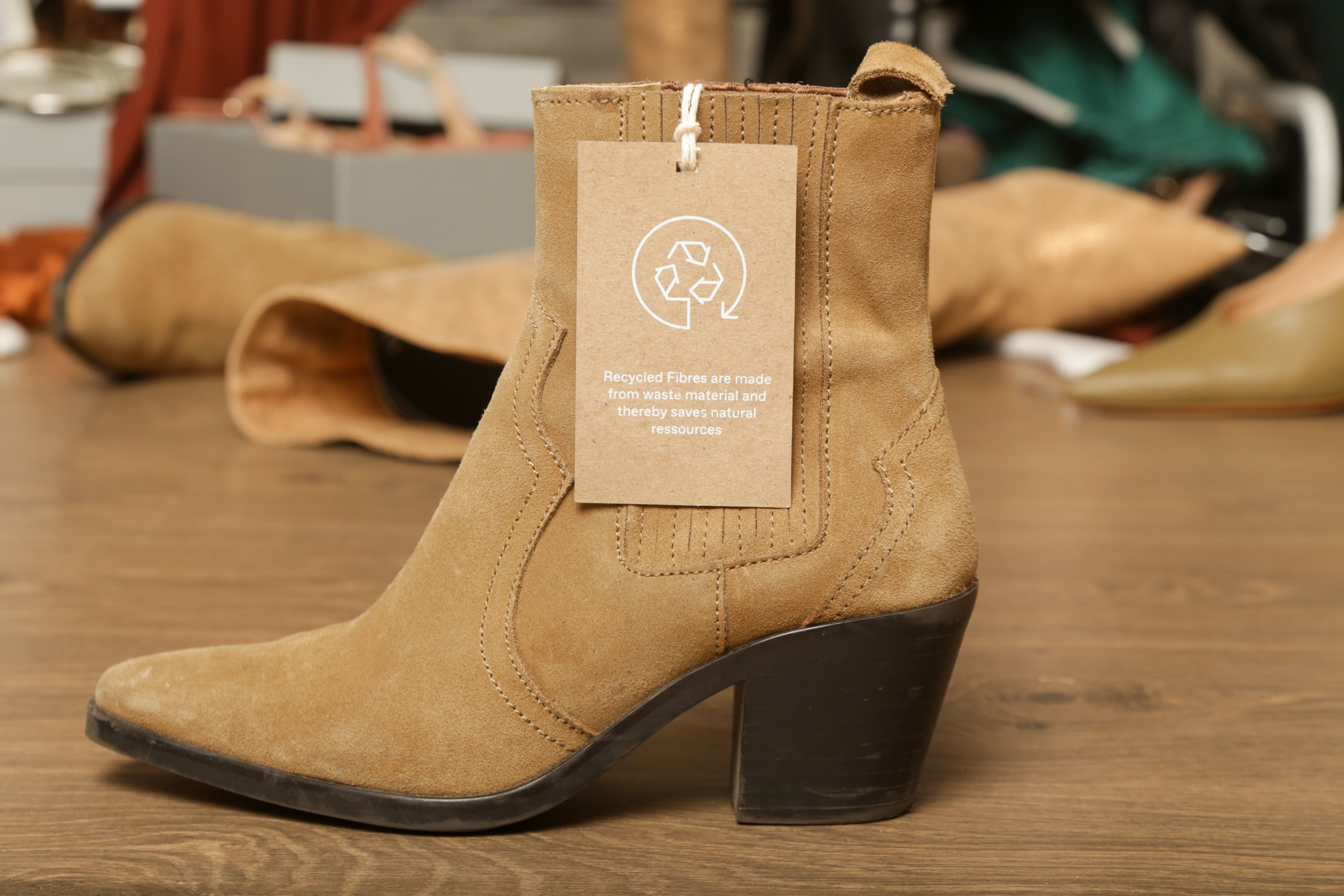
Innovative Materials in Sustainable Footwear
One of the key aspects of sustainable footwear design is the use of innovative materials. Designers are now exploring a range of eco-friendly materials that offer durability and comfort without compromising on style. Some of these materials include:
- Recycled Plastics: Transforming waste into stylish shoes.
- Organic Cotton: A renewable and biodegradable alternative.
- Cork: Lightweight, renewable, and versatile.
- Pineapple Leather: A plant-based leather alternative.
These materials not only reduce the environmental footprint but also pave the way for innovative design possibilities.
Designing for Longevity
Another critical element of sustainable footwear is designing for longevity. Fast fashion has long been criticized for promoting a throwaway culture, but sustainable design aims to counteract this by creating shoes that last.
Designers are focusing on creating timeless styles that remain fashionable across seasons. Additionally, the use of durable materials and reinforced construction techniques ensures that these shoes can withstand the test of time.
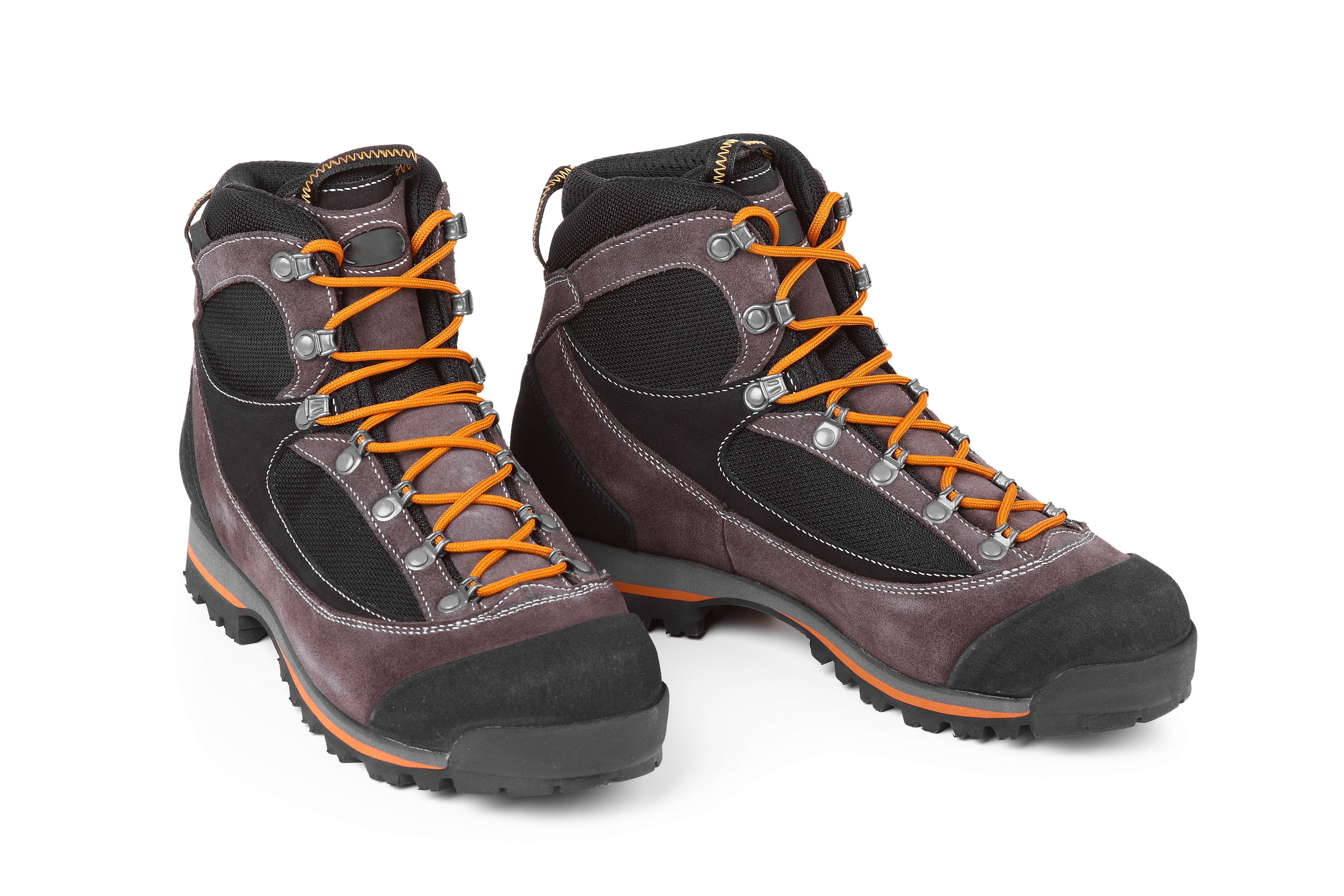
The Role of Technology in Sustainable Footwear
Technology plays a pivotal role in advancing sustainable footwear design. From 3D printing to smart manufacturing processes, technology is enabling designers to minimize waste and optimize material usage.
3D printing, for example, allows for precise material application, reducing excess waste. Moreover, digital tools help in creating virtual prototypes, cutting down the need for physical samples, which in turn reduces material consumption.
Consumer Responsibility and Awareness
While designers and manufacturers play a crucial role in the sustainability movement, consumers also have a responsibility. Educating oneself about the origins of materials and the ethics of production can influence purchasing decisions and promote sustainable practices.

Consumers can support sustainable footwear brands by choosing products that prioritize ethical practices and environmental responsibility. This support not only encourages brands to continue their sustainable efforts but also drives industry-wide change.
The Future of Sustainable Footwear Design
The future of sustainable footwear design is promising, with ongoing research and innovation leading the way. As technology advances and consumer awareness grows, the industry is likely to see a continued rise in eco-friendly options.
Designers are increasingly collaborating across disciplines to share knowledge and resources, fostering a culture of innovation and sustainable growth. By continuing to push the boundaries of what's possible, the footwear industry can play a vital role in the global sustainability movement.