Exploring the Latest Trends in Industrial Product Design
Embracing Sustainability in Design
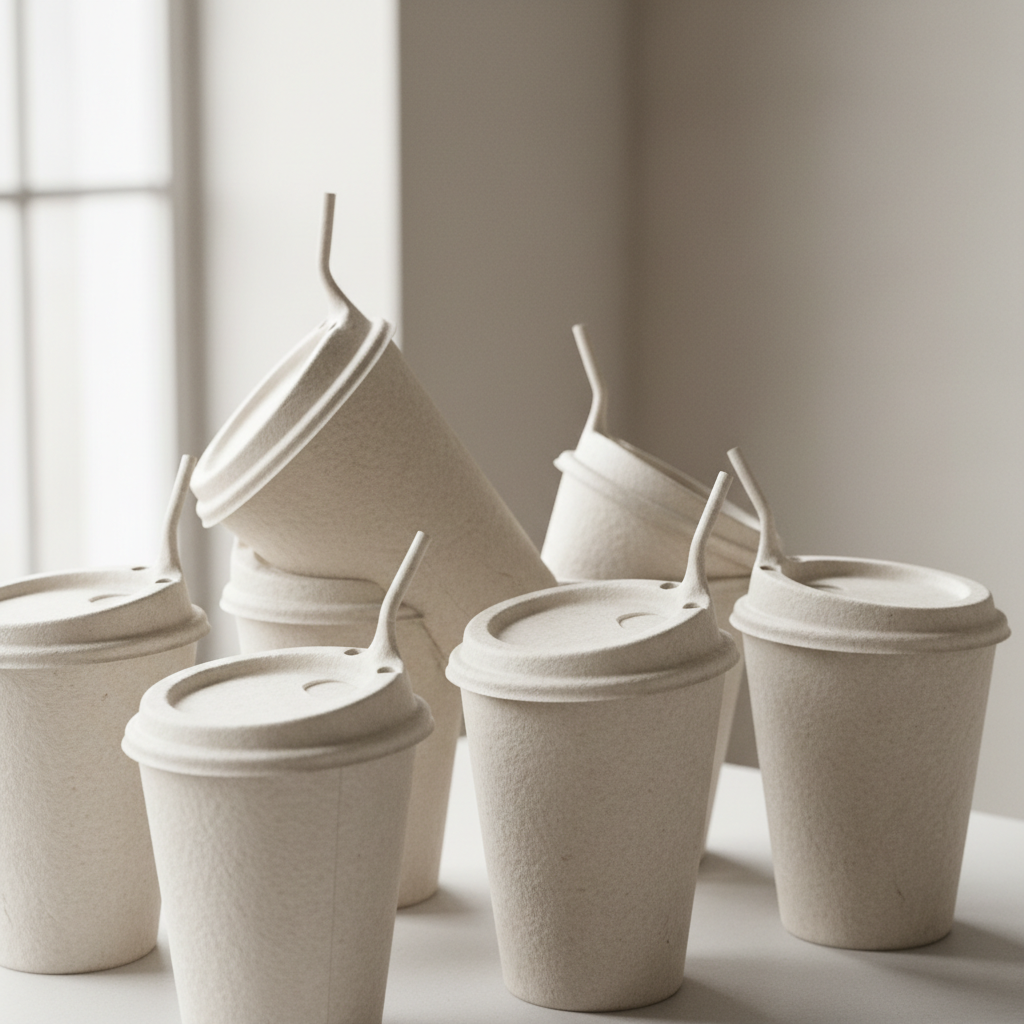
The trend towards sustainability in industrial product design is not just a passing phase. Designers are increasingly prioritizing eco-friendly materials and processes. From using recycled materials to minimizing waste, the focus is on reducing the environmental impact. This shift not only appeals to environmentally conscious consumers but also aligns with global sustainability goals.
One popular approach is the incorporation of biodegradable materials. These materials break down naturally, leaving no harmful residue behind. Additionally, designers are exploring innovative ways to reduce carbon footprints through energy-efficient manufacturing processes.
Integration of Smart Technology
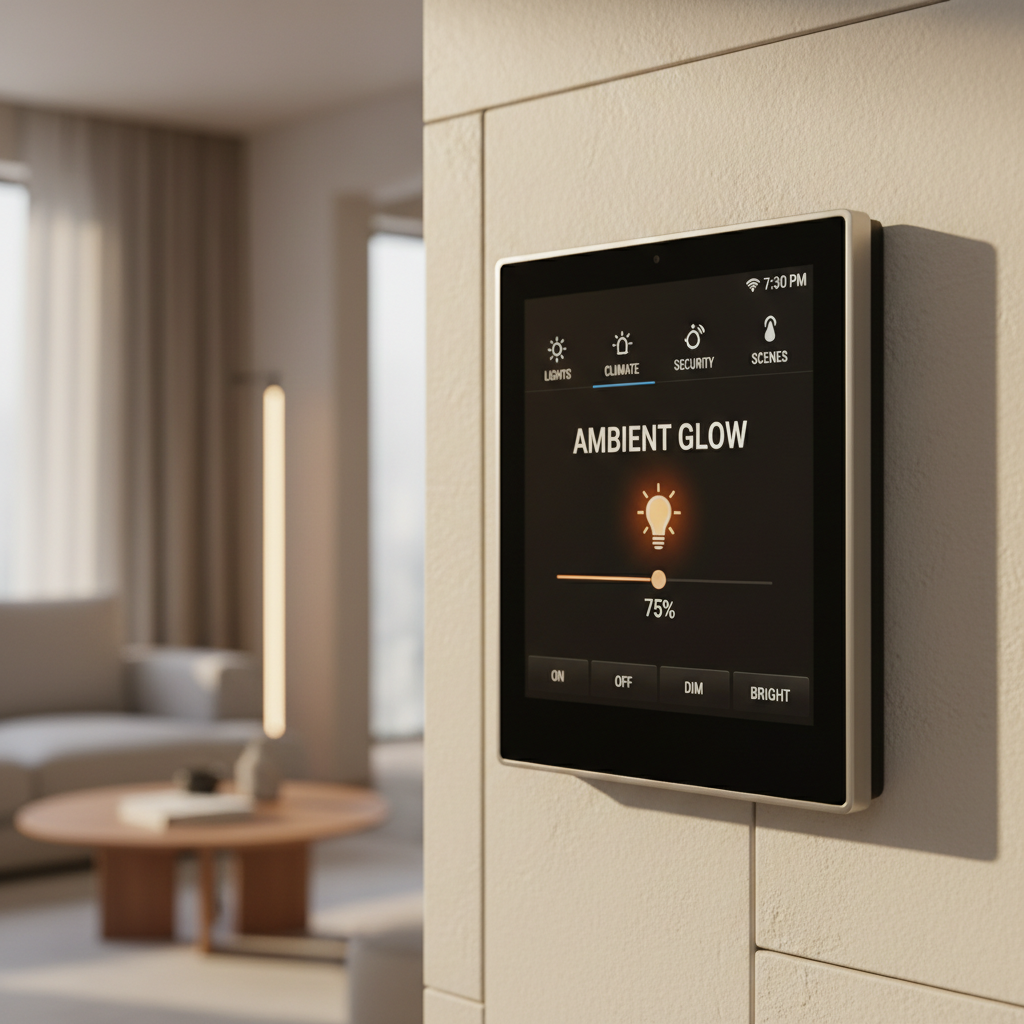
Another significant trend in industrial product design is the integration of smart technology. Products are becoming more interactive and connected, offering users enhanced functionality. This trend is driven by the rise of the Internet of Things (IoT), which enables devices to communicate with each other seamlessly.
Smart technology in industrial design includes features such as remote monitoring, predictive maintenance, and real-time data analytics. These innovations not only improve user experience but also enhance the efficiency and longevity of products.
Minimalism and Aesthetics
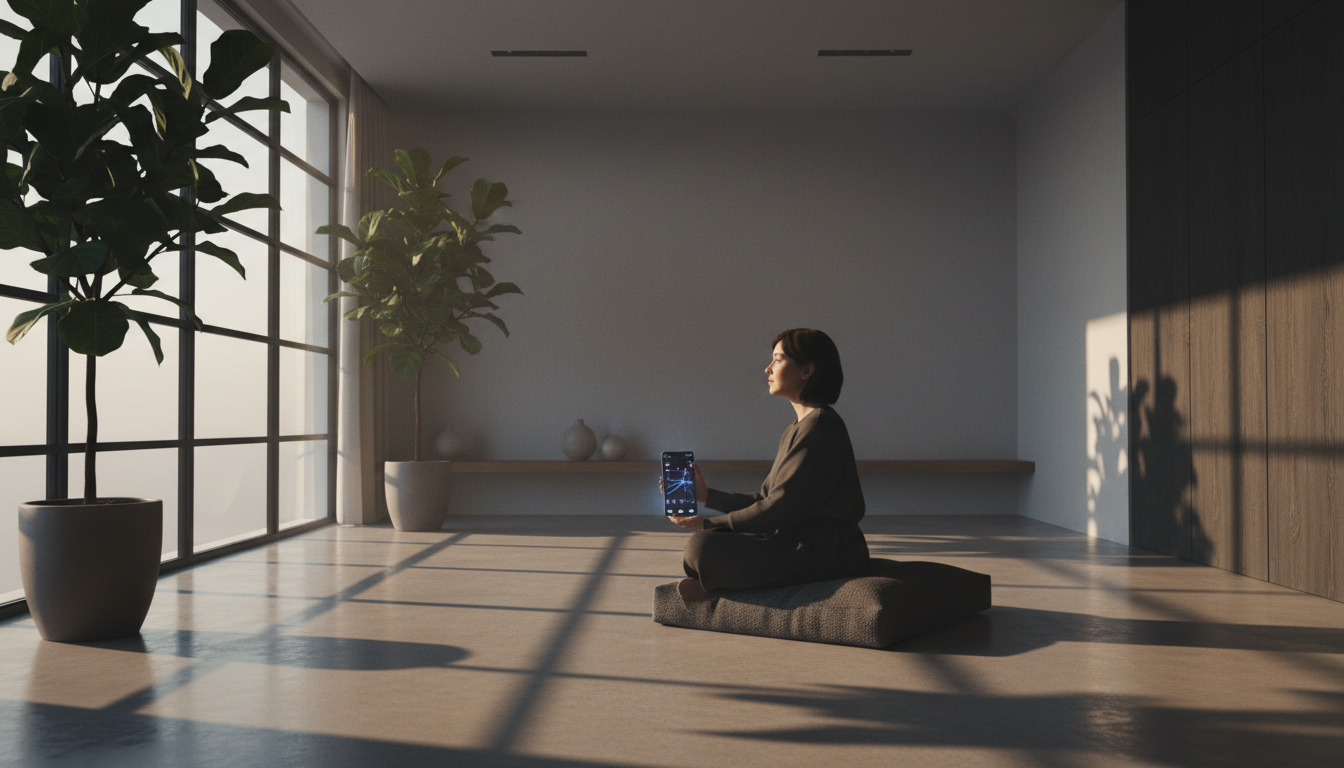
Minimalism continues to influence industrial product design, with a focus on clean lines and simple forms. The goal is to create products that are both functional and aesthetically pleasing. This design philosophy emphasizes the importance of usability while maintaining a sleek and modern appearance.
Designers are also experimenting with color and texture to add depth and interest to minimalistic designs. By using bold colors and unique textures, products stand out without compromising on simplicity.
Customization and Personalization
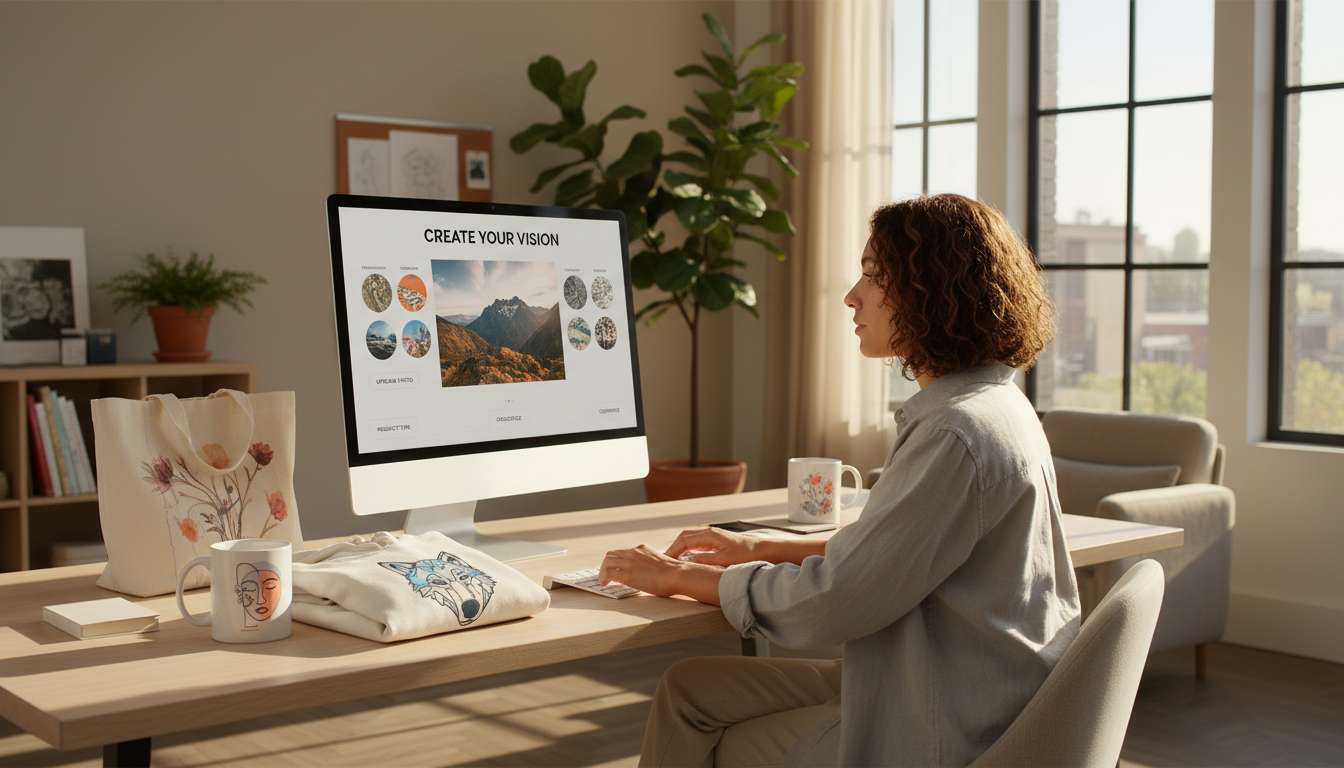
Consumers today seek products that reflect their personalities and preferences. As a result, customization and personalization have become key trends in industrial product design. Designers are offering more options for consumers to personalize their products, from choosing colors and materials to adding unique features.
This trend is made possible by advances in manufacturing technologies such as 3D printing, which allows for greater flexibility in design and production. As customization becomes more accessible, it is likely to become a standard expectation among consumers.
Ergonomics and User Experience
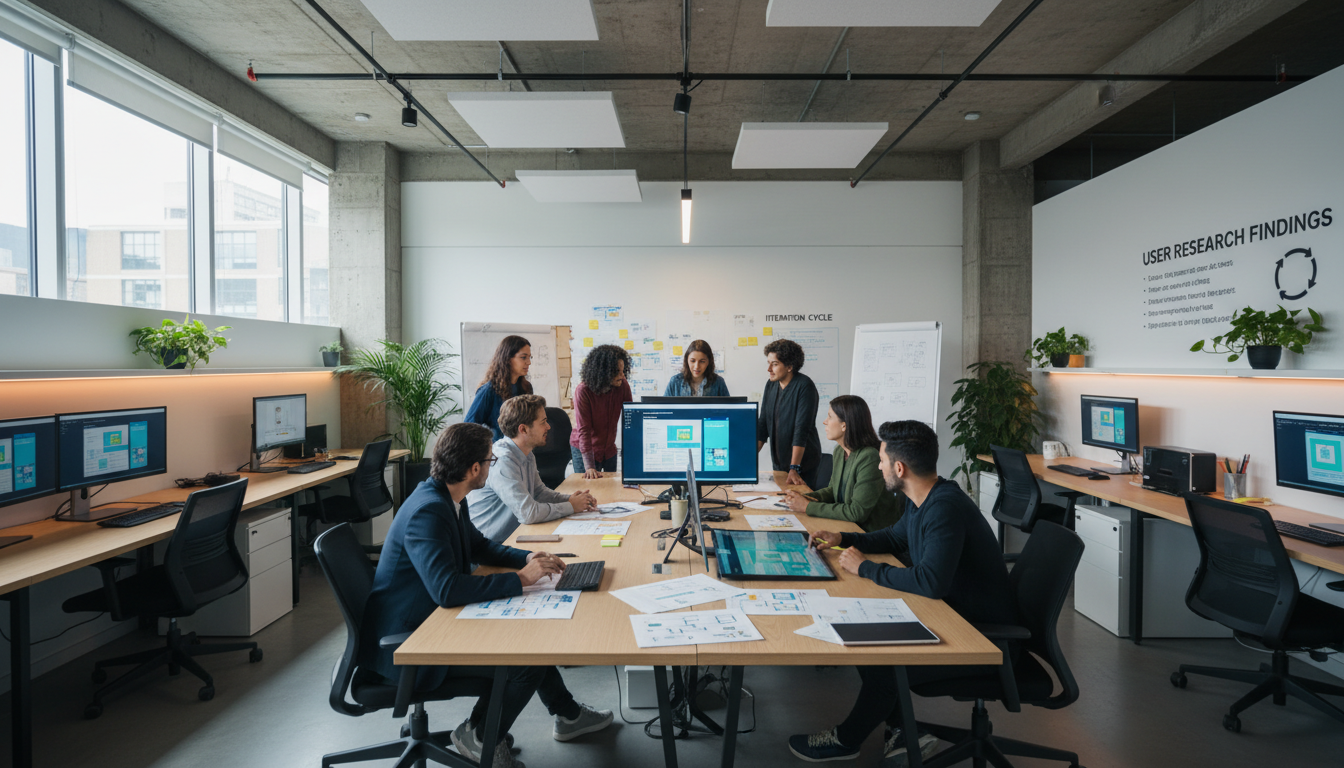
Finally, ergonomics and user experience remain crucial considerations in industrial product design. Designers are focused on creating products that are comfortable and intuitive to use. This involves studying how users interact with products and making adjustments to improve functionality and ease of use.
Ergonomic designs help reduce strain and improve efficiency, making them particularly important in industries where workers use products for extended periods. By prioritizing user experience, designers ensure that products not only meet functional requirements but also enhance overall satisfaction.