
Exploring the Unique Challenges of Industrial Design in Pittsburgh
The Evolution of Industrial Design in Pittsburgh
Pittsburgh, once known as the "Steel City," has transformed into a hub for innovation and design. The industrial design sector in this region faces unique challenges as it balances its rich history with modern advancements. This blending of tradition and innovation creates a dynamic landscape for designers.
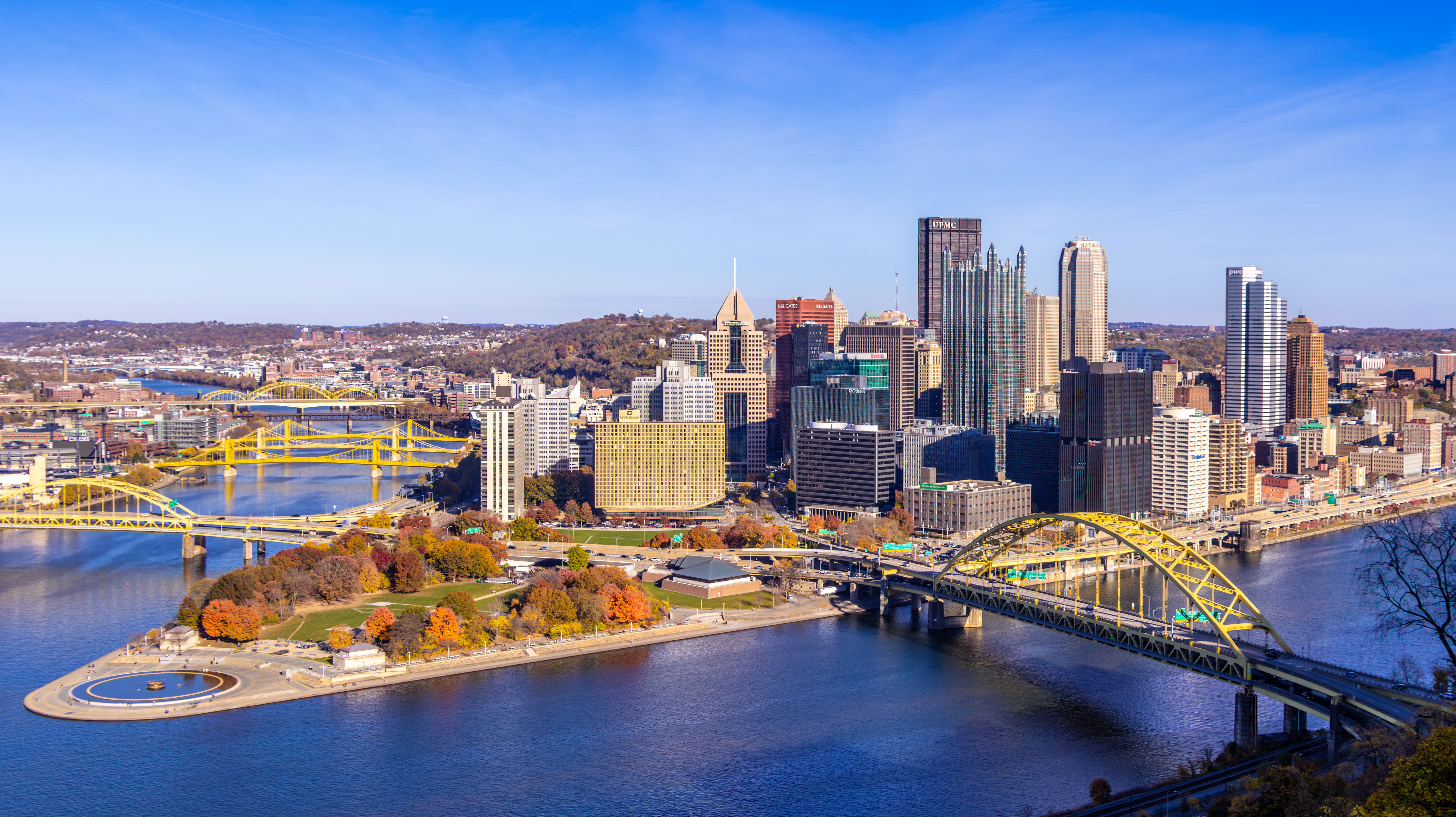
The city's industrial past is both a boon and a constraint. Designers must respect the architectural and cultural heritage while pushing forward with contemporary designs. This requires a deep understanding of both historical context and cutting-edge technology.
Integrating Technology with Tradition
One of the primary challenges is integrating advanced technology within the constraints of traditional industrial spaces. Many of Pittsburgh's buildings are historical landmarks, which means designers need to be creative in incorporating modern amenities without compromising the structural integrity or aesthetic value.
The use of sustainable materials and energy-efficient systems is crucial. Designers are tasked with finding innovative solutions that honor the past while meeting present-day environmental standards. This often involves collaboration between architects, engineers, and environmental specialists.

Community Engagement and Collaboration
Another significant challenge is engaging with the local community. Pittsburgh’s residents take pride in their city’s industrial heritage, and their input is invaluable. Successful projects often involve workshops and discussions with local stakeholders to ensure the designs meet community needs and expectations.
This collaborative approach not only fosters community support but also enriches the design process by incorporating diverse perspectives. It helps ensure that new designs are both functional and culturally resonant.
Navigating Economic Constraints
Economic factors also play a critical role in industrial design in Pittsburgh. The city is continually working to balance economic growth with maintaining its industrial identity. Designers must be mindful of budget constraints while delivering innovative solutions that can attract businesses and tourists alike.
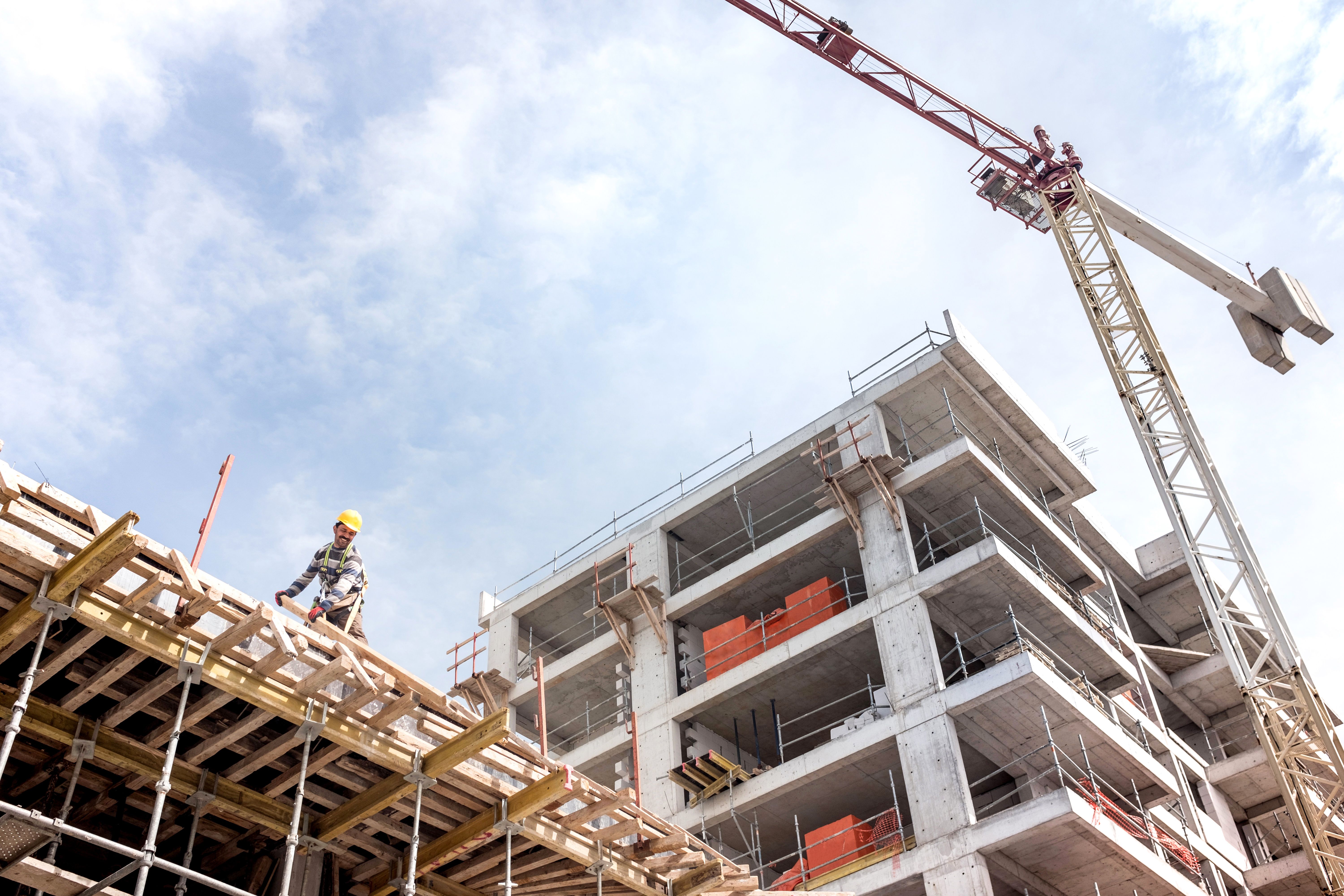
To overcome these challenges, designers often employ a phased approach, allowing for gradual implementation of projects. This strategy provides flexibility and ensures that the designs can adapt to changing economic conditions.
Future Outlook
Looking ahead, the future of industrial design in Pittsburgh appears promising. The city’s commitment to innovation, coupled with its respect for tradition, creates a fertile ground for creative solutions. As designers continue to navigate these challenges, Pittsburgh stands poised to become a leader in sustainable and culturally integrated industrial design.
By embracing both its heritage and future potential, Pittsburgh offers a unique case study in how industrial design can thrive within a historical context. The lessons learned here could be applied to other cities facing similar challenges, making Pittsburgh a beacon of inspiration in the world of industrial design.