
How 3D Modeling Transforms Footwear Design
In recent years, the footwear industry has experienced a remarkable transformation, thanks to the advent of 3D modeling technology. This revolutionary approach has reshaped the way designers and manufacturers conceptualize and produce shoes, offering a blend of creativity, precision, and efficiency that was previously unimaginable.
Enhancing Creativity and Innovation
3D modeling opens up a new realm of possibilities for footwear designers. With the ability to visualize and manipulate every aspect of a shoe in a digital space, designers can experiment with shapes, materials, and colors without the constraints of traditional methods. This flexibility encourages innovation, allowing for the creation of bold and unique designs that stand out in a competitive market.
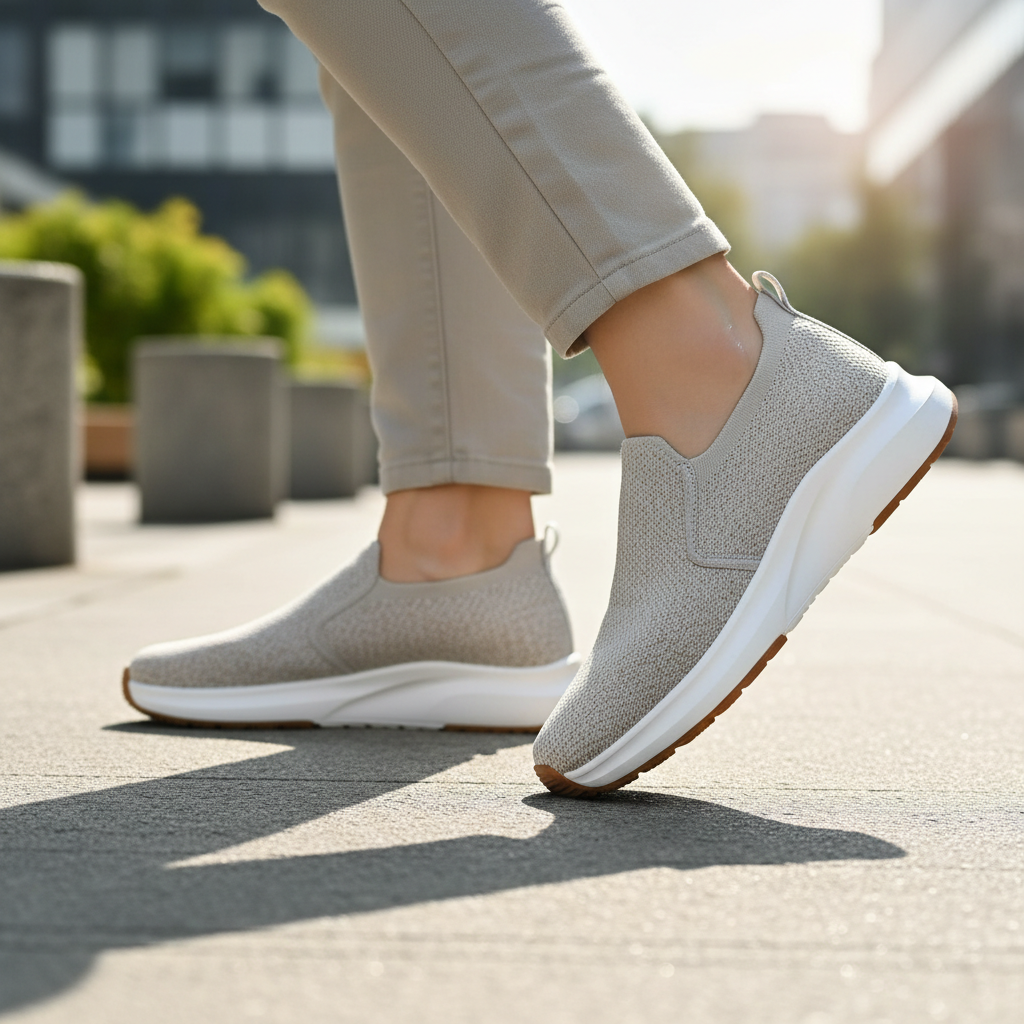
Moreover, 3D modeling tools often come equipped with libraries of textures and materials, enabling designers to quickly test and swap out different elements. This not only saves time but also allows for a more comprehensive exploration of design concepts, fostering a more dynamic creative process.
Improving Precision and Fit
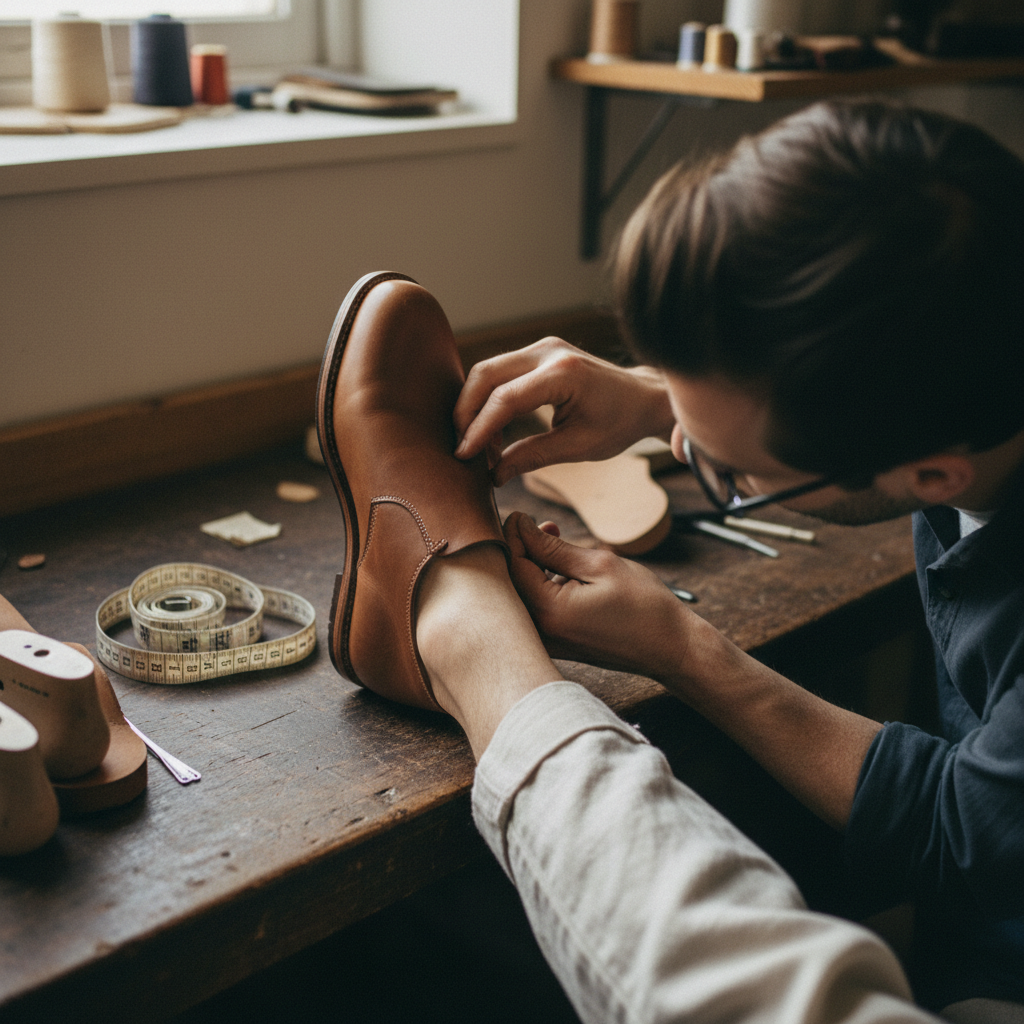
One of the most significant advantages of 3D modeling in footwear design is the enhanced precision it offers. Designers can create highly detailed and accurate models that can be adjusted to fit the exact specifications required. This precision extends to the fit of the shoe, ensuring greater comfort and performance for the wearer.
By simulating real-world conditions, 3D models can be used to test how a shoe will perform under various circumstances. This capability leads to better-informed design decisions and helps in crafting footwear that meets the specific needs of different activities and environments.
Streamlining the Production Process
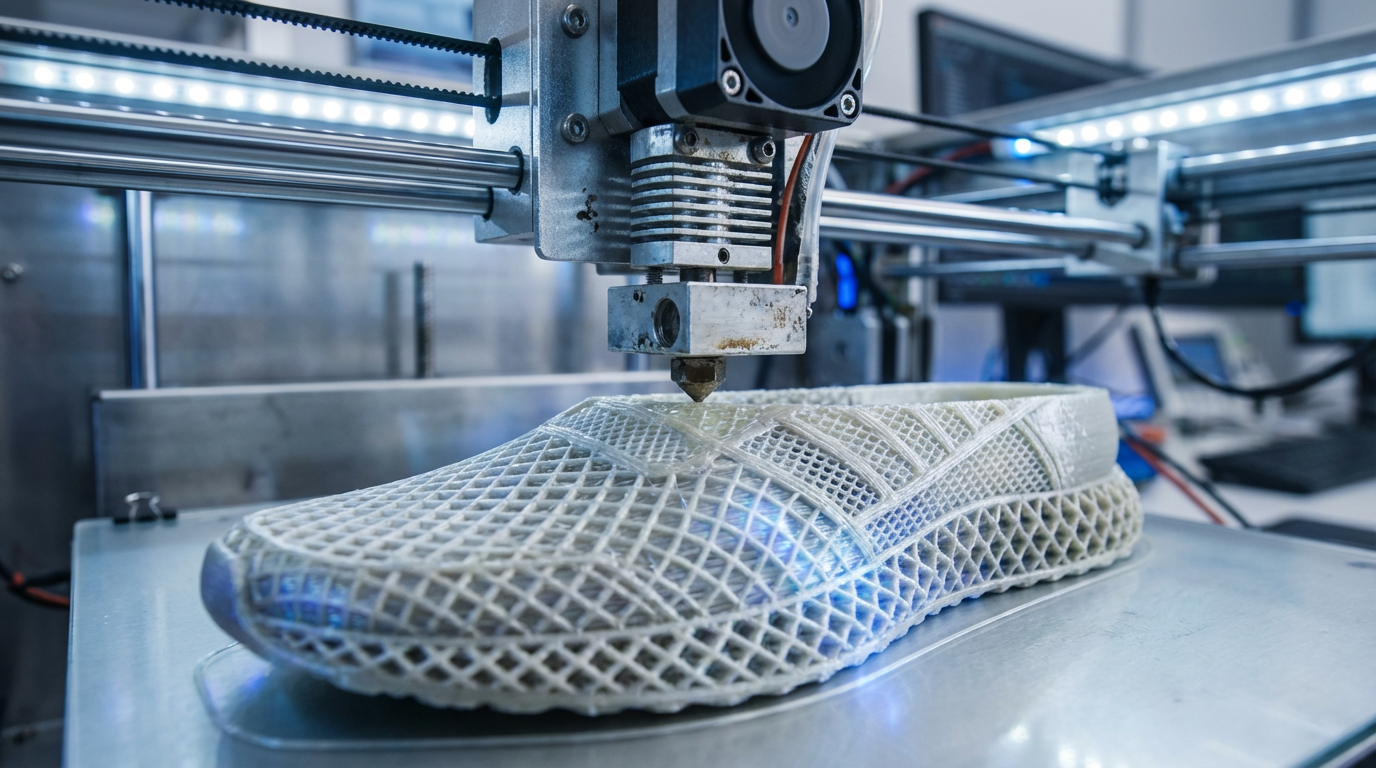
3D modeling significantly streamlines the production process, reducing time and costs. By creating a digital prototype, designers can identify potential issues early in the development stage, minimizing the need for multiple physical prototypes. This reduction in trial and error not only accelerates the design phase but also cuts down on material waste.
Additionally, 3D models can be seamlessly integrated into manufacturing systems, allowing for a smoother transition from design to production. This integration ensures that the final product closely matches the original design, maintaining quality and consistency throughout the manufacturing process.
Facilitating Collaboration and Customization
3D modeling fosters better collaboration between different teams involved in the footwear design process. Designers, engineers, and manufacturers can work from the same digital model, ensuring clear communication and alignment of goals. This collaborative approach leads to more cohesive and successful product development.
The technology also enables greater customization options for consumers. Brands can offer personalized designs tailored to individual preferences and needs, enhancing customer satisfaction and loyalty. This level of customization is increasingly appealing in a market where consumers seek products that reflect their personal style and individuality.
The Future of Footwear Design
As 3D modeling technology continues to evolve, its impact on footwear design will only grow. The integration of artificial intelligence and virtual reality into the modeling process promises even more groundbreaking advancements. These innovations will further enhance the design, production, and customization capabilities of footwear brands, pushing the boundaries of what is possible.
In conclusion, 3D modeling is not just a tool but a transformative force in the footwear industry. By enhancing creativity, precision, and efficiency, it paves the way for the next generation of innovative and customer-centric footwear designs.