
How to Prepare Your Transportation Products for Seasonal Changes
Understanding Seasonal Impacts on Transportation Products
As the seasons change, so do the demands on transportation products. Whether you're dealing with vehicles, shipping containers, or other transport-related goods, it's crucial to adapt to these changes. Different weather conditions can affect the performance, durability, and safety of your products. Proactively preparing can save time, money, and hassle in the long run.
Preparing for seasonal shifts isn't just about maintenance; it's about optimizing your products to thrive in varying conditions. This involves assessing potential risks and implementing strategies to mitigate them. In this guide, we'll explore practical steps to ensure your transportation products are ready for whatever nature throws their way.

Assessing Your Products for Weather Resilience
An essential first step is to evaluate how your products perform under different weather conditions. Consider factors such as temperature fluctuations, precipitation, and humidity. Are your products designed to withstand these elements, or do they require enhancements?
Begin by conducting a thorough inspection. Look for signs of wear and tear that could be exacerbated by seasonal changes. Pay close attention to areas exposed to the elements, such as seals, joints, and surfaces. Addressing these issues early can prevent bigger problems down the line.
Implementing Seasonal Maintenance Strategies
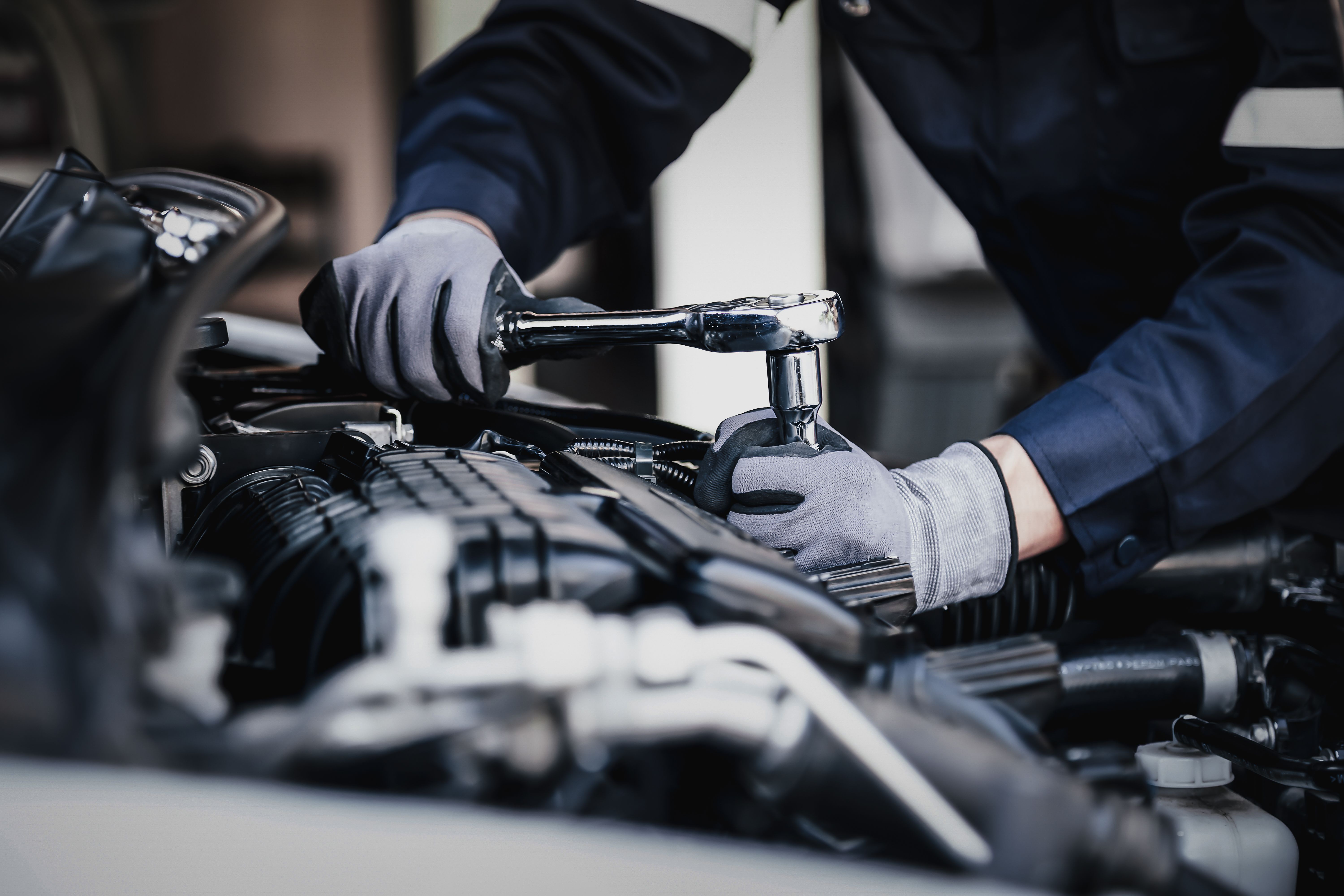
Once you've identified potential vulnerabilities, it's time to implement a targeted maintenance plan. Routine checks and timely repairs can significantly extend the lifespan of your transportation products. Here are some key maintenance strategies to consider:
- Lubrication: Ensure moving parts are well-lubricated to prevent rust and wear.
- Sealing: Check and replace seals to prevent water ingress and protect against moisture damage.
- Surface treatment: Apply protective coatings to guard against corrosion and UV damage.
Adapting to Temperature Extremes
Temperature extremes, whether hot or cold, can have a profound impact on transportation products. Heat can cause expansion and warping, while cold can lead to brittleness and cracking. To combat these effects, consider the following:
Use materials designed for temperature resilience. For instance, certain plastics and metals perform better under specific conditions. Additionally, ensure that any fluids used in your products, such as oils and coolants, are suitable for the anticipated temperature range.
Preparing for Rain and Humidity
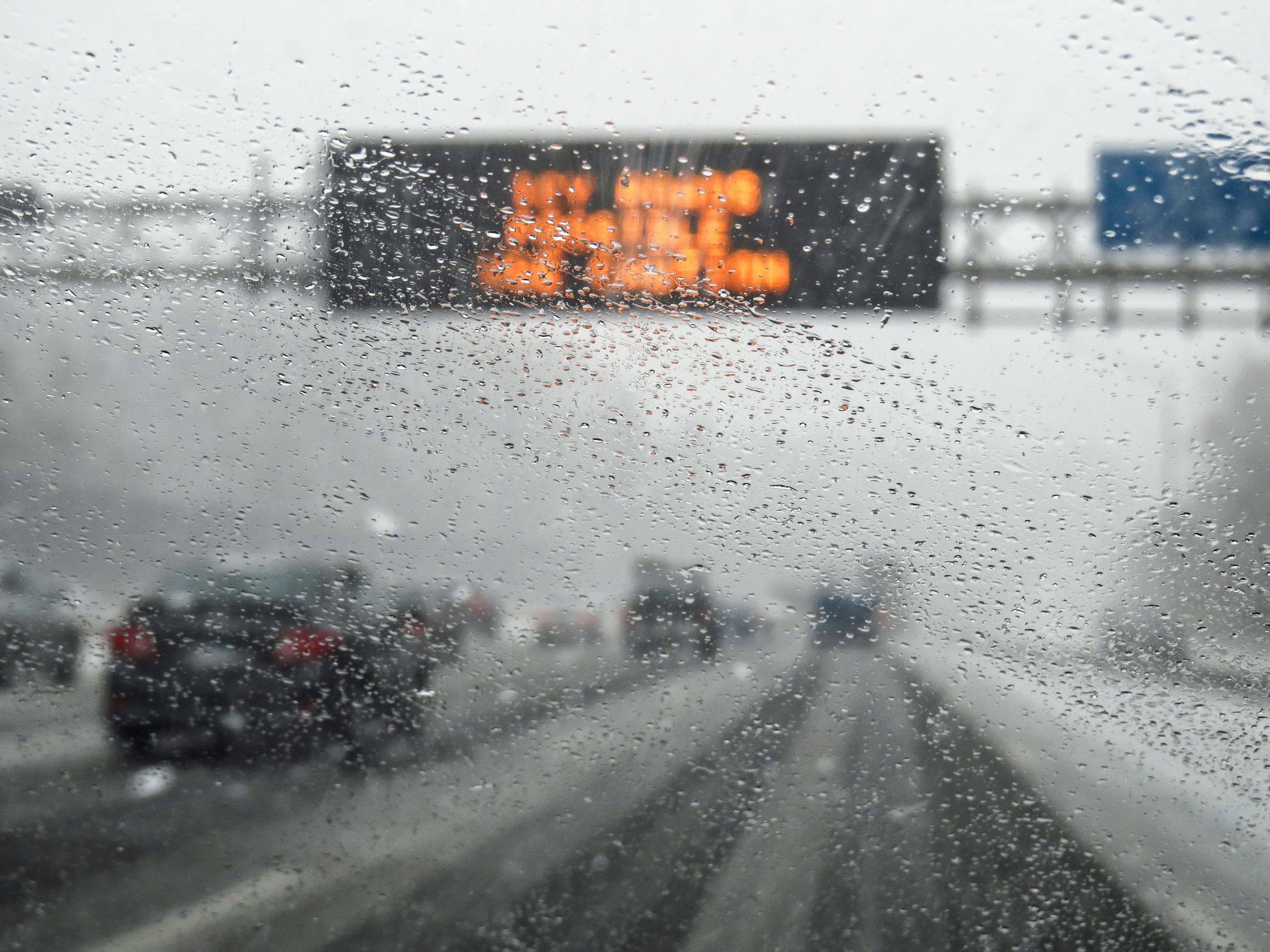
Rain and humidity can lead to rust, mold, and other moisture-related issues. To prepare your products for wet conditions, focus on waterproofing and ventilation. Waterproof coatings and treatments can be applied to susceptible surfaces.
Ensure that your products have adequate ventilation to prevent condensation buildup. This is particularly important for enclosed spaces, where trapped moisture can lead to serious damage over time.
Creating a Seasonal Checklist
To streamline your seasonal preparation efforts, develop a comprehensive checklist. This should include all necessary inspections, maintenance tasks, and material evaluations. A checklist ensures that nothing is overlooked and that all preparations are completed in a timely manner.
Regularly update your checklist based on past experiences and new insights. This proactive approach will help you stay ahead of potential issues and maintain the reliability of your transportation products year-round.
By following these guidelines, you can effectively prepare your transportation products for seasonal changes, ensuring they remain in top condition and continue to perform optimally regardless of the weather.