
The Role of Industrial Design in Sustainable Transportation Solutions
Introduction to Sustainable Transportation
The growing concern over climate change and environmental degradation has prompted a shift towards sustainable transportation solutions. Industrial design plays a crucial role in this transition, as it focuses on creating efficient, user-friendly, and eco-friendly transport systems. By integrating innovative design principles, the transportation sector can significantly reduce its carbon footprint and promote a more sustainable future.

The Importance of Industrial Design
Industrial design is the process of designing products that optimize function, value, and appearance for the benefit of both users and manufacturers. In the context of transportation, it involves developing vehicles and infrastructure that meet environmental standards while enhancing user experience. Designers strive to create solutions that are not only sustainable but also practical and aesthetically pleasing.
Efficiency and Functionality
One of the primary goals of industrial design in transportation is to improve efficiency. This includes reducing energy consumption and minimizing waste. Designers achieve this by selecting sustainable materials, optimizing aerodynamics, and incorporating renewable energy sources. These efforts lead to vehicles that consume less fuel and produce fewer emissions.
Enhancing User Experience
Sustainable transportation solutions must also prioritize user comfort and convenience. Industrial designers focus on creating intuitive interfaces and ergonomic designs that cater to the needs of diverse users. By prioritizing user experience, sustainable transport systems become more appealing and accessible, encouraging widespread adoption.
Innovative Materials and Technologies
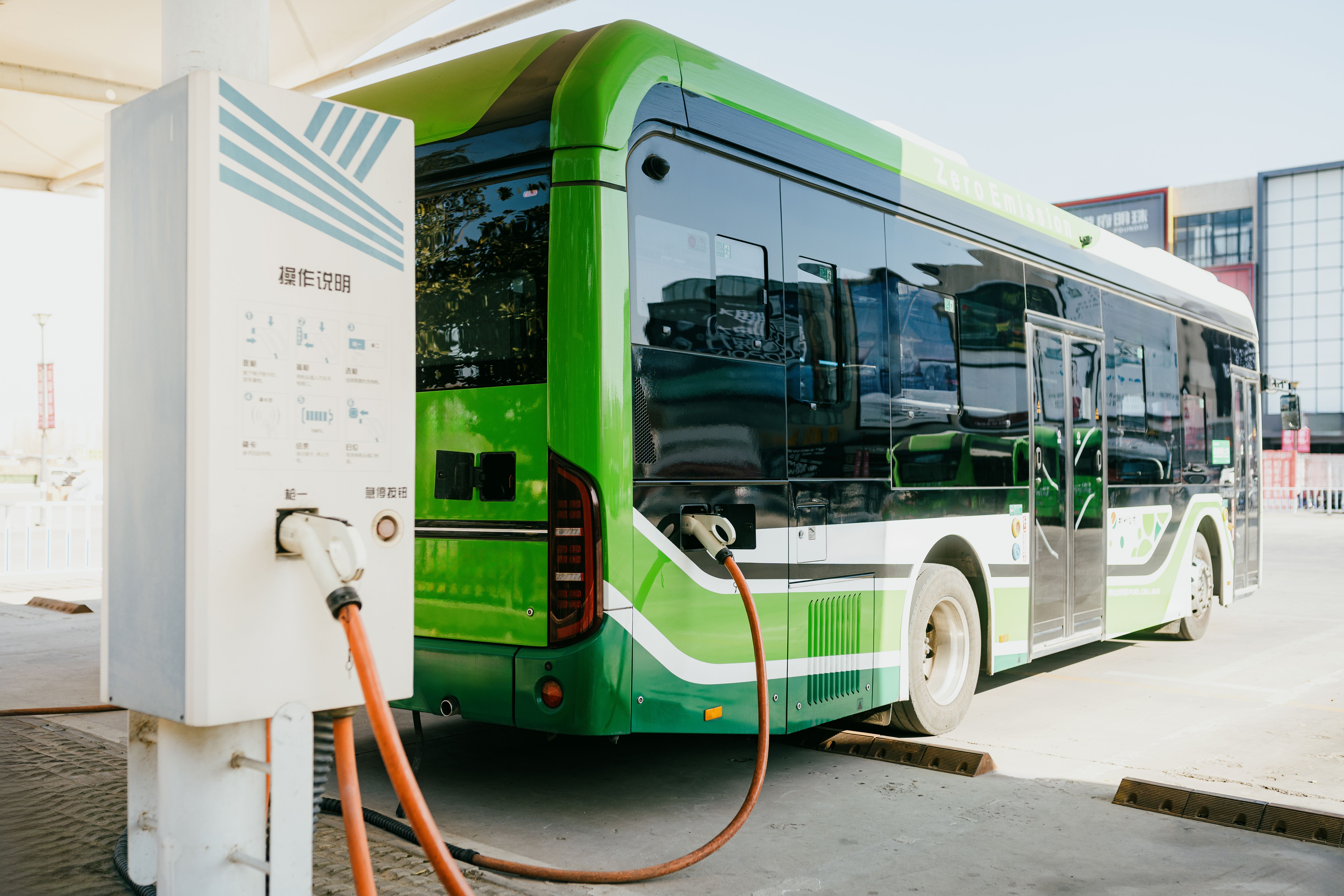
The use of innovative materials and technologies is a key aspect of industrial design in sustainable transportation. Designers are increasingly turning to biodegradable materials, recycled components, and lightweight composites to reduce environmental impact. Additionally, advancements in technology, such as electric drivetrains and smart systems, play a vital role in enhancing sustainability.

Integration of Renewable Energy
Renewable energy integration is another critical factor in sustainable transportation design. Solar panels, wind turbines, and other green technologies can be incorporated into vehicle design to harness clean energy. This not only reduces reliance on fossil fuels but also helps in creating a resilient and sustainable transport infrastructure.
Challenges and Opportunities
While industrial design offers promising solutions for sustainable transportation, it also presents challenges. Balancing cost, functionality, and sustainability can be difficult. However, these challenges also present opportunities for innovation and collaboration across industries. By fostering partnerships and encouraging research, the transportation sector can overcome these hurdles and achieve significant advancements.
Ultimately, the role of industrial design in sustainable transportation is vital. Through thoughtful and innovative design, the transportation sector can make strides towards a cleaner, more sustainable future, positively impacting both the environment and society.