
What is Industrial Design? Explained by Experts at Pizzuti Design
Understanding Industrial Design
Industrial design is a creative process that focuses on the aesthetics, functionality, and usability of products that are manufactured on a large scale. It is an integral discipline that combines art, technology, and business to create products that people use every day. At Pizzuti Design, our experts delve into this fascinating field to bring innovative solutions to life.

The Role of Industrial Designers
Industrial designers are problem solvers. They work to understand the needs of users and the capabilities of manufacturers. Their role involves crafting designs that are both visually appealing and practical. By collaborating with engineers, marketers, and manufacturers, they ensure that products meet market demands and are produced efficiently.
Designers use a variety of tools, from sketching and modeling to advanced computer-aided design (CAD) software. This allows them to create detailed prototypes and refine their concepts before they reach the production stage.
Key Elements of Industrial Design
The process of industrial design involves several key elements:
- Aesthetics: The visual appeal and style of a product.
- Functionality: How well the product performs its intended purpose.
- Ergonomics: The ease of use and comfort for the user.
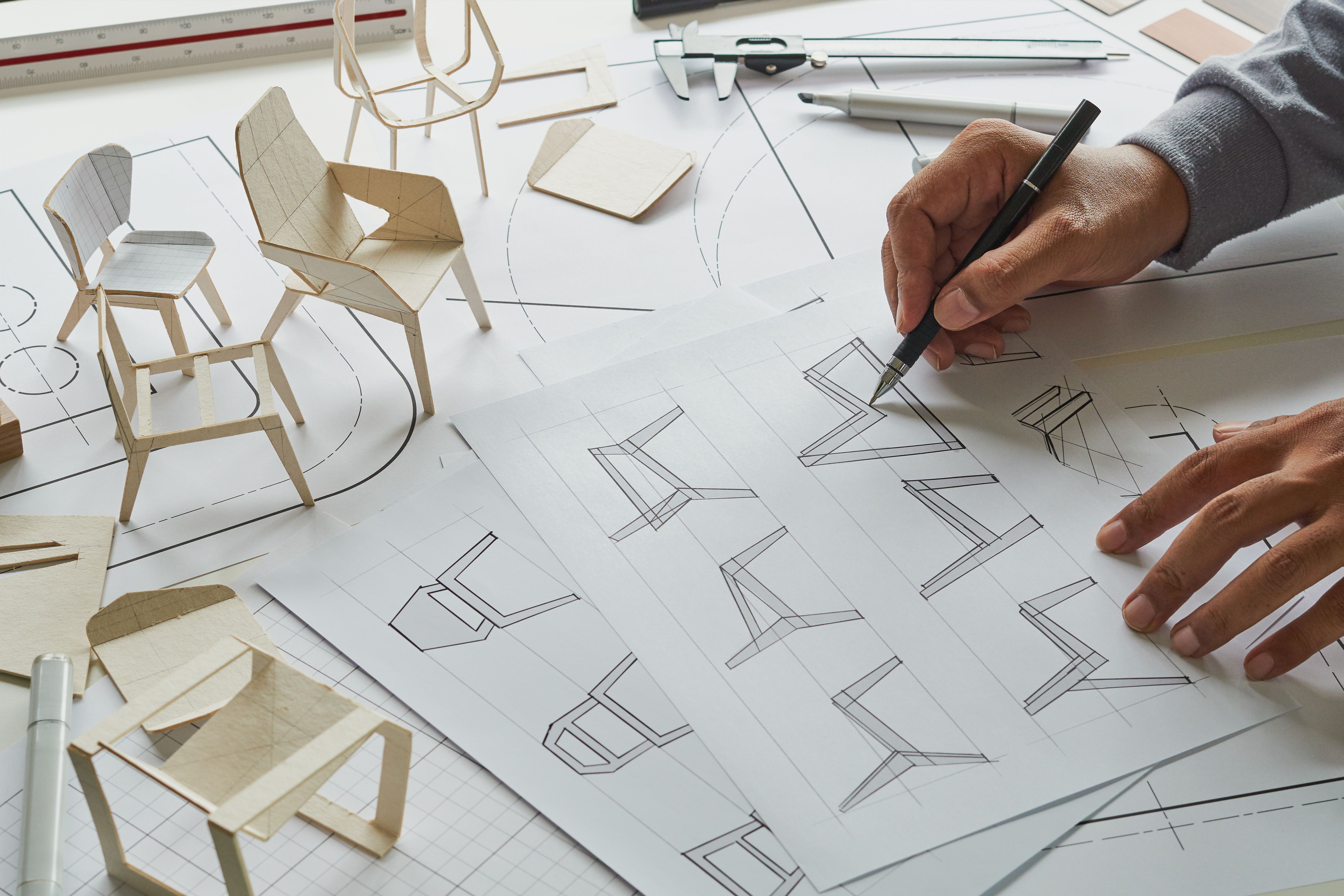
These elements must be balanced to create products that not only look good but also serve their purpose effectively.
The Impact of Industrial Design
Industrial design plays a crucial role in differentiating products in a competitive market. It can influence consumer perceptions and drive purchasing decisions. A well-designed product can enhance user experience and satisfaction, leading to brand loyalty and increased sales.
Furthermore, industrial design can contribute to sustainability by promoting the use of eco-friendly materials and processes, reducing waste, and extending the lifespan of products.

Challenges in Industrial Design
Despite its importance, industrial design faces several challenges. Designers must navigate constraints such as budget limitations, technical feasibility, and market trends. They must also anticipate future developments and adapt their designs to evolving consumer behaviors.
Maintaining a balance between creativity and practicality is essential for successful industrial design. Designers need to innovate while ensuring that their creations are viable for production and meet the needs of users.
Conclusion: The Future of Industrial Design
As technology advances, the field of industrial design continues to evolve. New tools and materials are constantly being developed, offering designers more opportunities to innovate. At Pizzuti Design, we believe that the future of industrial design lies in creating sustainable, user-centric products that enhance everyday life.
By understanding and embracing the principles of industrial design, companies can create products that not only meet but exceed consumer expectations. This dynamic and ever-changing field offers endless possibilities for those willing to explore its potential.