
Why Pittsburgh is a Hub for Industrial Design: A Local Perspective
Pittsburgh, historically known as the Steel City, has transformed itself into a modern hub for industrial design. This transformation is an inspiring story of adaptation and innovation, driven by a unique blend of history, education, and community.
The Historical Backbone
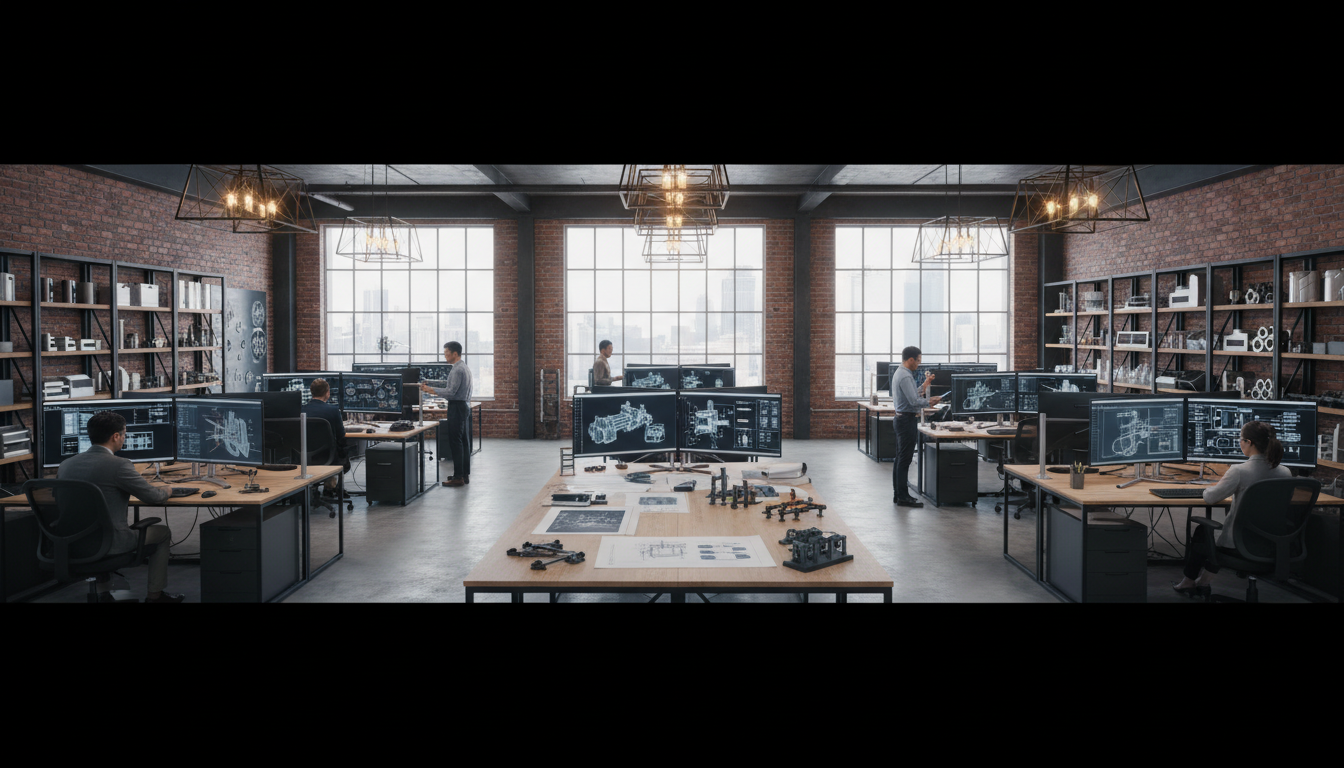
Pittsburgh's industrial roots date back to the 19th century when it was a powerhouse of steel production. This history has laid a strong foundation for the city’s current status as an industrial design leader. The remnants of its industrial past can still be seen in its architecture and infrastructure, serving as a constant reminder and inspiration for modern designers.
The city's rich history has fostered a culture that values hard work and innovation. This cultural backdrop provides a fertile ground for industrial designers who seek to blend traditional craftsmanship with modern technology.
Educational Excellence
One of the key drivers of Pittsburgh's industrial design success is its world-class educational institutions. Carnegie Mellon University, in particular, is renowned for its design programs, attracting talent from across the globe. The university offers cutting-edge courses that emphasize the integration of technology and design, producing graduates who are well-equipped to tackle contemporary design challenges.
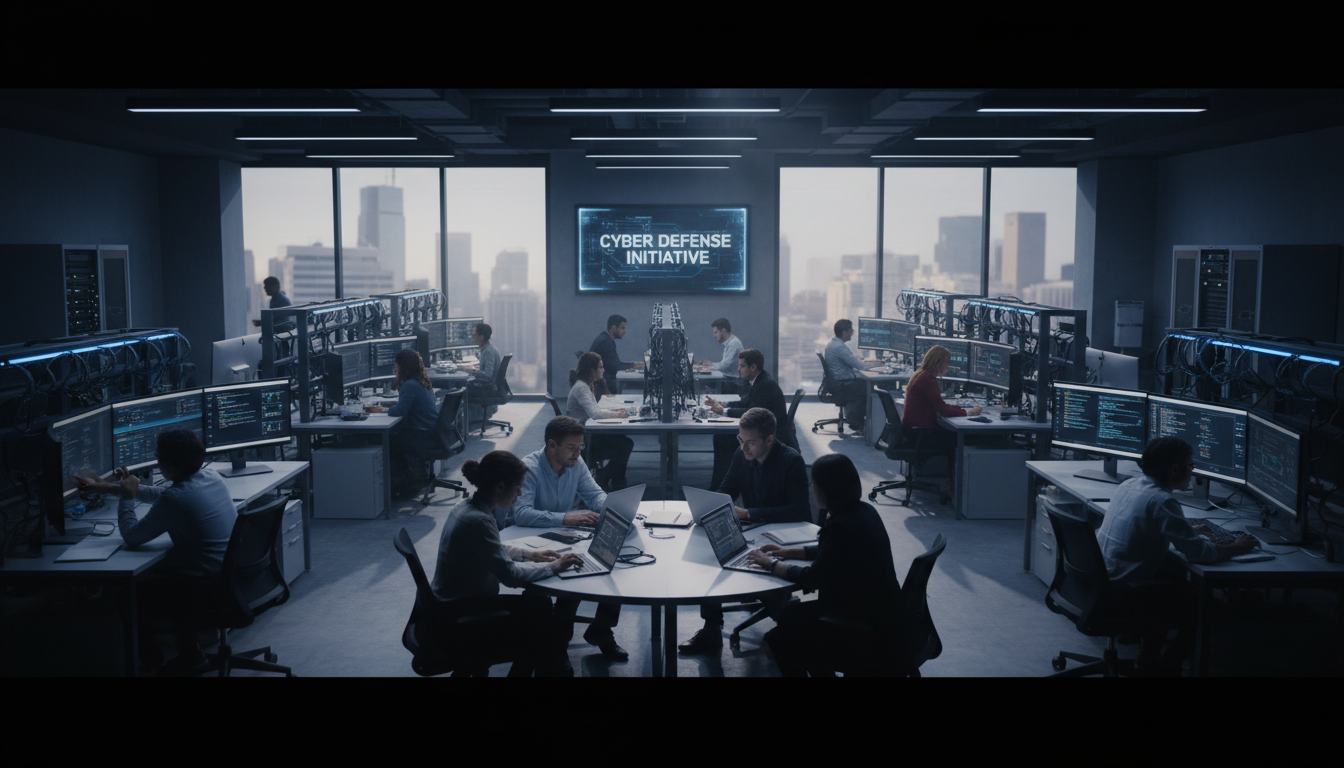
Beyond universities, Pittsburgh is home to numerous technical schools and workshops that offer specialized training in various aspects of industrial design. This educational ecosystem ensures a steady stream of skilled professionals ready to contribute to the industry.
Thriving Design Community
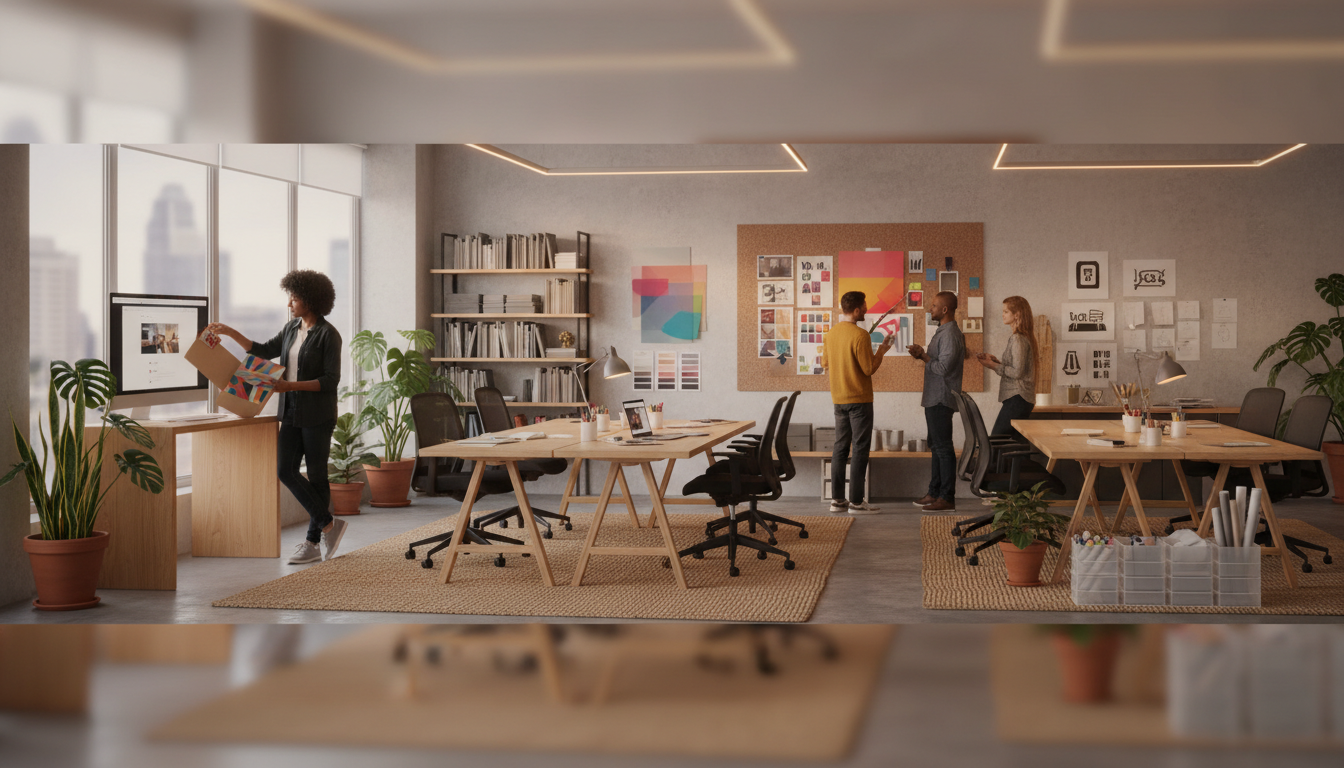
Pittsburgh boasts a vibrant and collaborative design community. Numerous design firms, studios, and co-working spaces have sprouted across the city, providing platforms for designers to collaborate, innovate, and showcase their work. The sense of community is further strengthened through frequent workshops, design fairs, and exhibitions.
This collective spirit encourages experimentation and cross-disciplinary collaboration, essential for pushing the boundaries of industrial design.
Supportive Business Environment
Pittsburgh's business landscape is highly supportive of industrial design ventures. The city offers numerous incentives for startups, and its relatively low cost of living compared to other major cities makes it an attractive location for budding designers and entrepreneurs.
The presence of established companies and startups alike creates a dynamic environment where new ideas can flourish. This synergy between established industry and innovative startups fuels the city’s growth as a design hub.
Focus on Sustainability
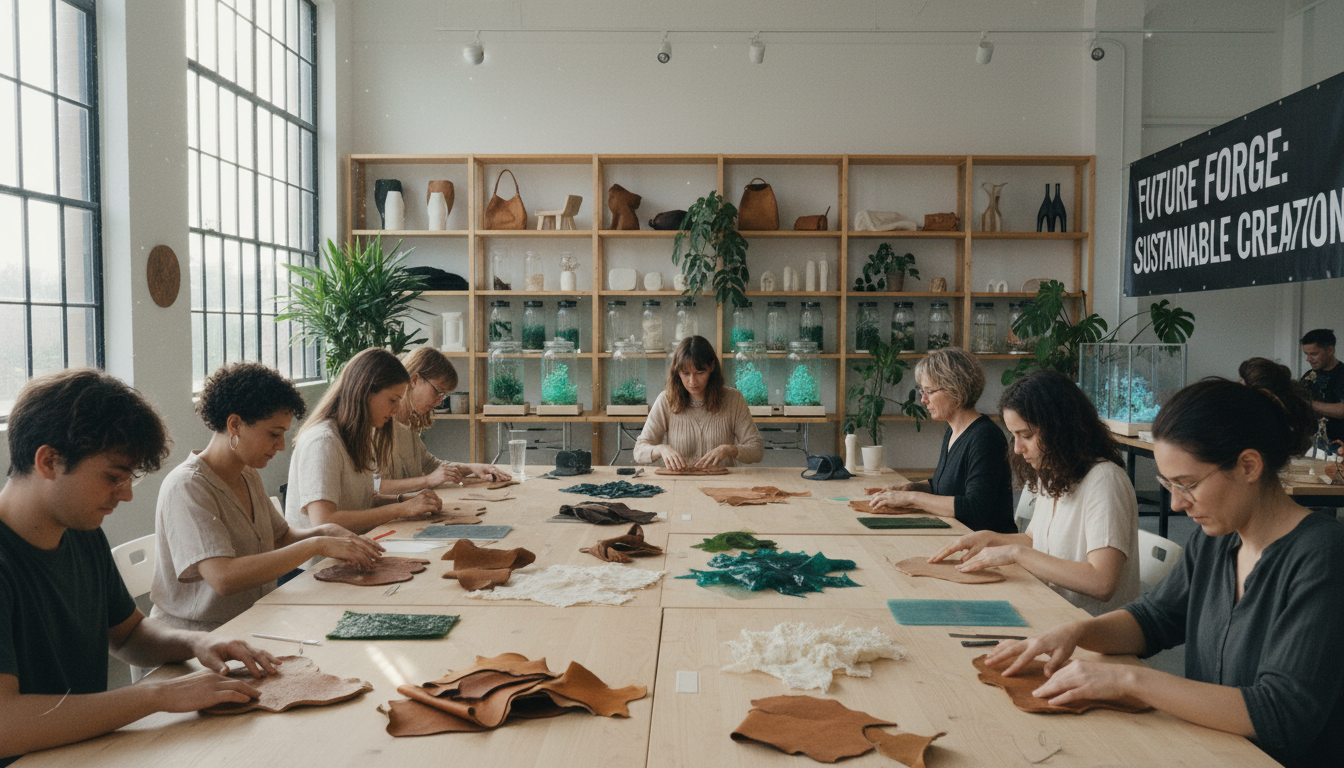
Modern industrial design in Pittsburgh is heavily influenced by sustainability. Designers here are committed to creating eco-friendly solutions that are not only functional but also environmentally responsible. This focus on sustainability reflects a broader trend within the industry and highlights Pittsburgh's role as a leader in responsible design practices.
From using recycled materials to implementing energy-efficient processes, Pittsburgh’s designers are paving the way for a more sustainable future.
Conclusion
Pittsburgh's evolution from a steel giant to a hub of industrial design showcases the power of innovation and adaptation. With its rich history, educational prowess, vibrant community, supportive business environment, and commitment to sustainability, Pittsburgh stands out as a leader in the field.
For anyone interested in industrial design, Pittsburgh offers an inspiring and nurturing environment where creativity and practicality go hand in hand, making it a city to watch in the years to come.